


-
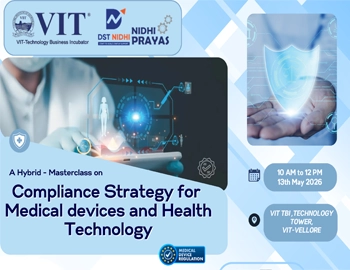
A Hybrid - Masterclass on Compliance Strategy for Medical devices and Health Technology
-
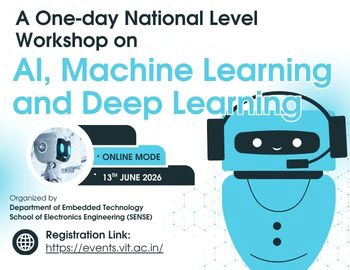
A One-day National Level Workshop on AI, Machine Learning and Deep Learning
-
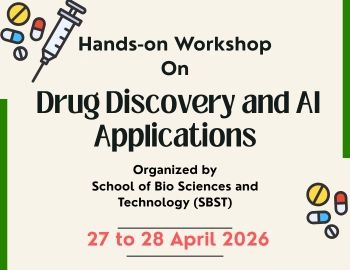
Hands-on Workshop On Drug Discovery and AI Applications
-
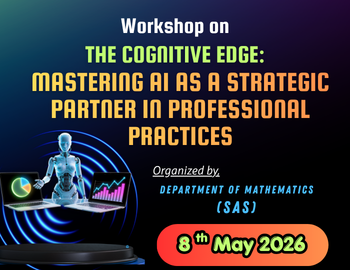
THE COGNITIVE EDGE: MASTERING AI AS A STRATEGIC PARTNER IN PROFESSIONAL PRACTICES
-

Five days Hands on Workshop on Advanced Secondary Data Analytics for Finance Research
-
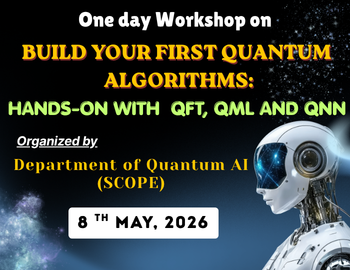
One day WorkshoponBuild Your First QuantumAlgorithms: Hands-onwith QFT, QML and QNN
-
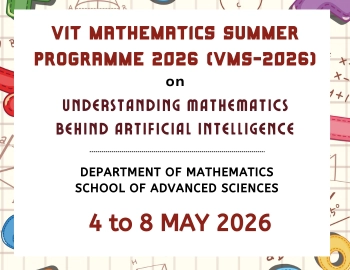
VIT MATHEMATICS SUMMER PROGRAMME 2026 (VMS-2026) on Understanding Mathematics behind Artificial Intelligence
-
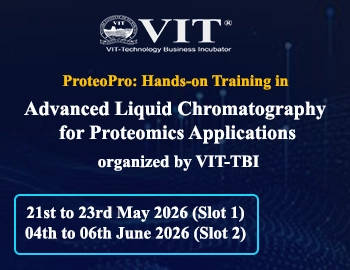
Hands-on Training in Advanced Liquid Chromatography for Proteomics Applications
-
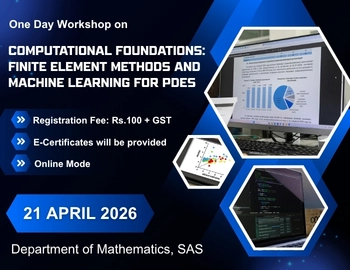
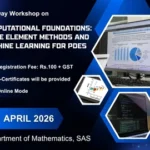
One Day Workshop on Computational Foundations: Finite Element Methods and Machine Learning for PDEs
-
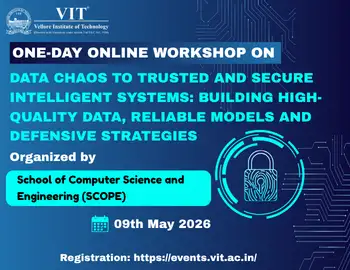
One-day Online workshop on Data Chaos to Trusted and Secure Intelligent Systems: Building High-Quality Data, Reliable Models and Defensive Strategies
-
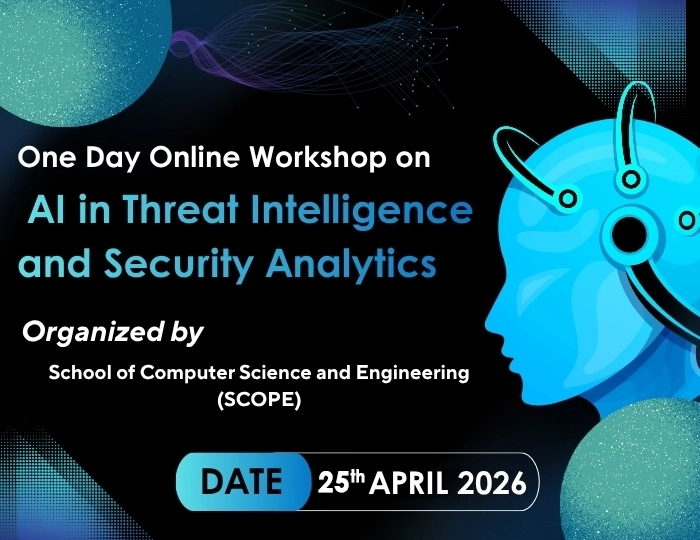
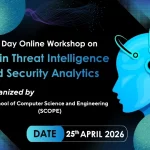
One Day Online Workshop on AI in Threat Intelligence and Security Analytics
-
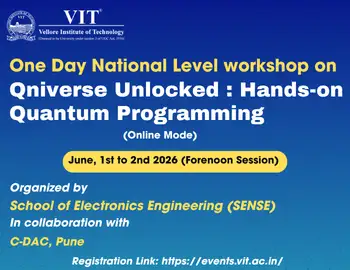
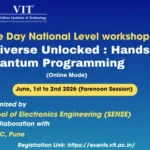
One Day National Level workshop on Qniverse Unlocked : Hands-on Quantum Programming
-
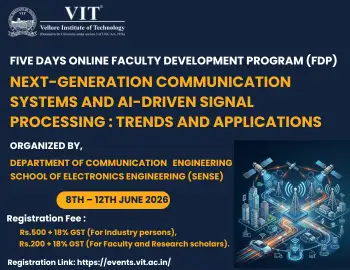
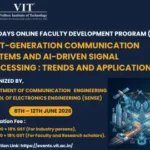
Five Days Online Faculty Development Program (FDP) on Next-Generation Communication Systems and AI-Driven Signal Processing : Trends and Applications
-
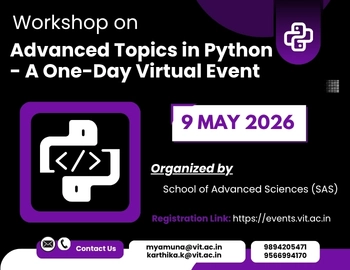
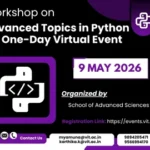
Workshop on Advanced Topics in Python - A One-Day Virtual Event
-
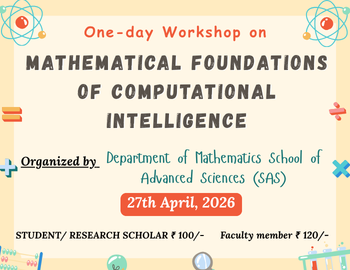
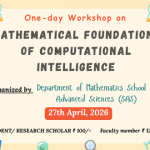
One-day Workshop on Mathematical Foundations of Computational Intelligence
-
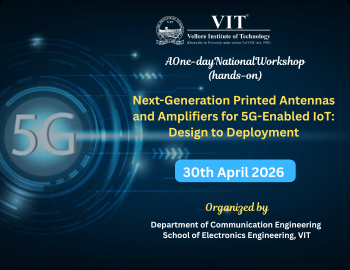
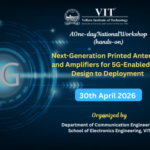
A One-day National Workshop (hands-on) Next-Generation Printed Antennas and Amplifiers for 5G-Enabled IoT
-
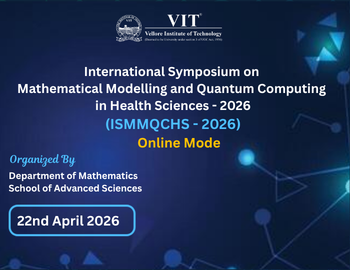
International Symposium on Mathematical Modelling and Quantum Computing in Health Sciences - (ISMMQCHS-2026)
-
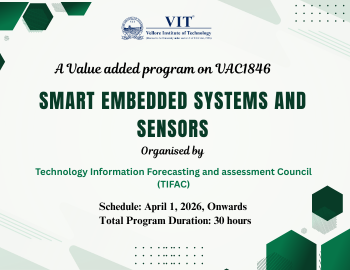
A Value added program on VAC1846 Smart Embedded Systems and Sensors
-
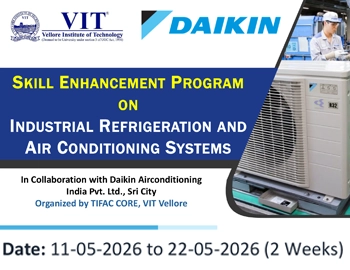
Skill Enhancement Program on Industrial Refrigeration and Air Conditioning Systems
-
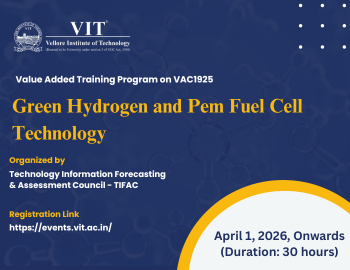
Value Added Training Program on VAC1925 Green Hydrogen and Pem Fuel Cell Technology
-
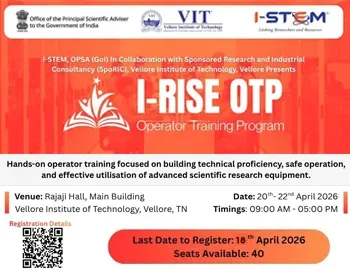
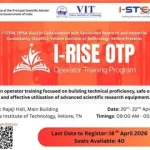
I-RISE OPERATOR TRAINING PROGRAM IN COLLABORATION WITH ISTEM, OPSA (GOI)
-
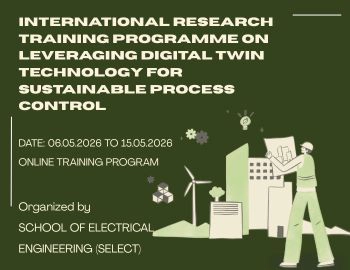
International Research Training Programme on Leveraging Digital Twin Technology for Sustainable Process Control
-
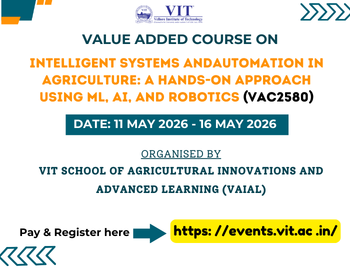
INTELLIGENT SYSTEMS AND AUTOMATIONIN AGRICULTURE: A HANDS-ONAPPROACH USING ML, AI, AND ROBOTICS(VAC2580)
-
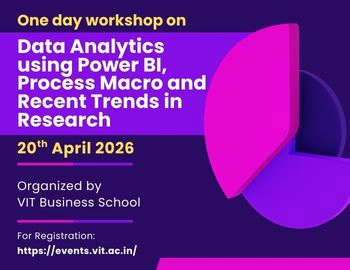
One day workshop on Data Analytics using Power BI, Process Macro and Recent Trends in Research
-
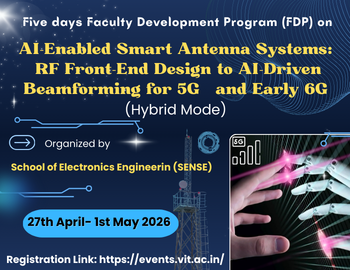
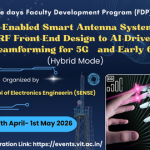
AI-Enabled Smart Antenna Systems: RF Front-End Design to AI-Driven Beamforming for 5G and Early 6G
-
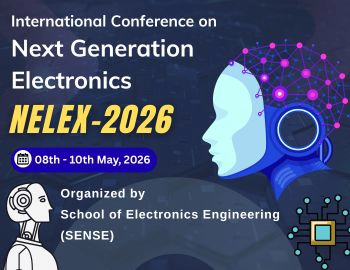
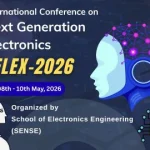
International Conference on Next Generation Electronics NEleX-2026
-
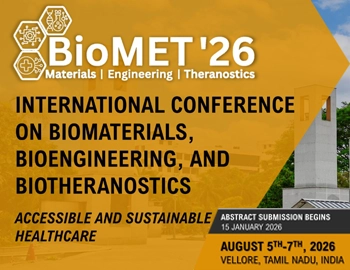
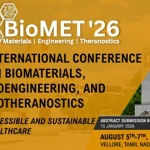
International Conference on Biomaterials, Bioengineering, and Biotheranostics - BioMET'26
-
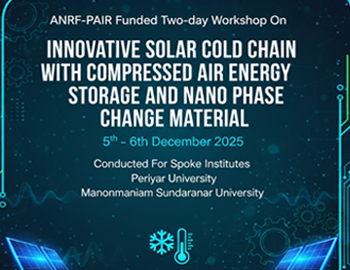
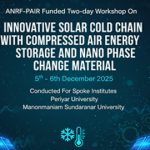
INNOVATIVE SOLAR COLD CHAIN WITH COMPRESSED AIR ENERGY STORAGE AND NANO PHASE CHANGE MATERIAL
-
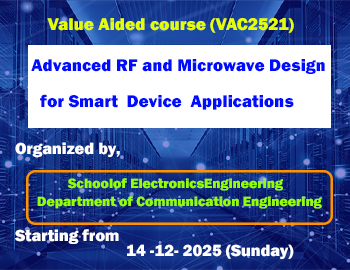
Advanced RF and Microwave Design for Smart Device Applications
-
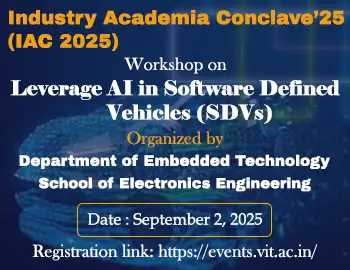
Workshop on Leverage AI in Software Defined Vehicles (SDVs)
-
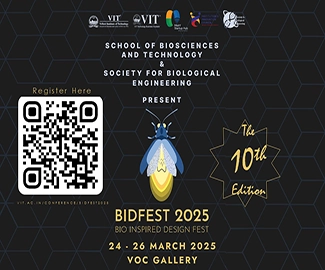
BIDFest 2025
-
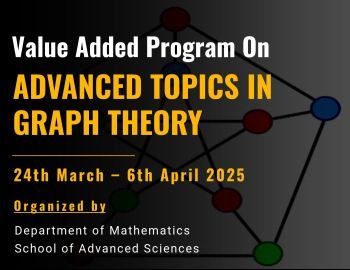
Value Added Program On Advanced Topics in Graph Theory
-
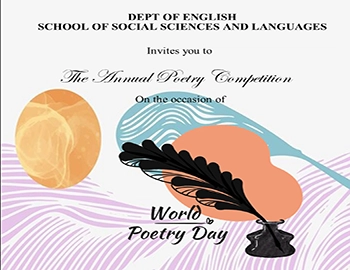
World Poetry Day - 2025
-
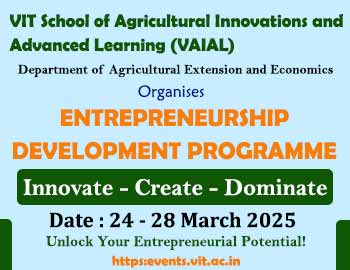
Entrepreneurship Development Programme (EDP)
-
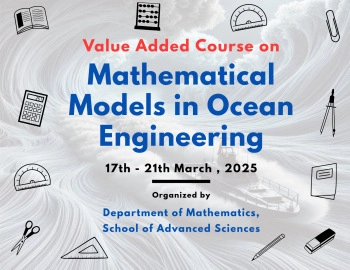
Value Added Course on Mathematical Models in Ocean Engineering
-
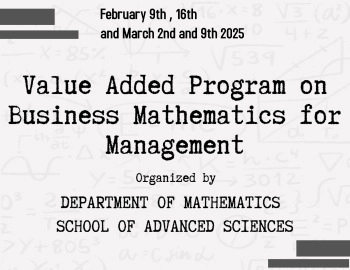
Value Added Program on Business Mathematics for Management
-
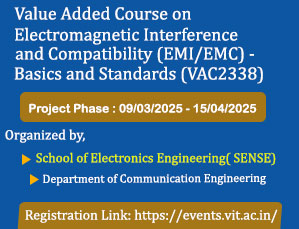
Electromagnetic Interference and Compatibility (EMI/EMC) – Basics and Standards (VAC2338)
-
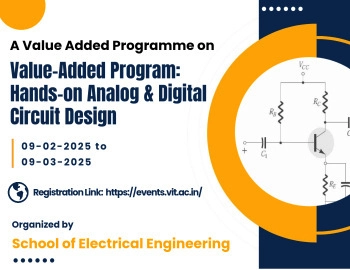
A Value Added Programme On Value-Added Program: Hands-on Analog & Digital Circuit Design
-
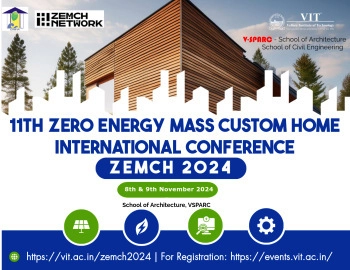
ZEMCH 2024 - 11th Zero Energy Mass Custom Home International Conference
-
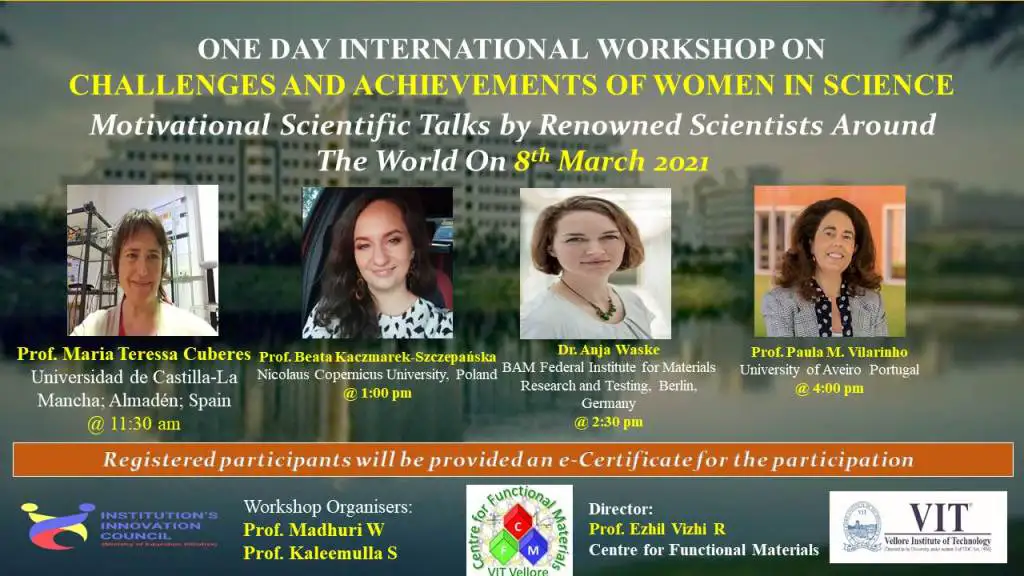
International Workshop
-
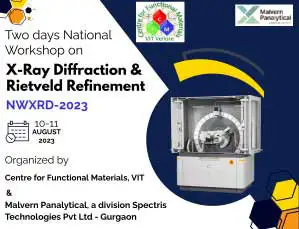
Two days National Workshop on X-Ray Diffraction & Rietveld Refinement (NWXRD-2023)
-
Instructions to the Candidates Selected for Ph.D./Direct Ph.D. Programmes July 2024 - Vellore

-
M.Tech. - 2024 Seat Allotment Results
-
MCA-2024 Seat Allotment Results
-
VITEEE - Results
-
Research Guide Directory (Schools / Centres - July 2024, Vellore Campus)
-
NRI / Foreign Online Application for PG & Research Admissions 2024-25 - Apply Now
-
MBA Admission 2024 Results - Vellore | Chennai | Bhopal
-
MBA - 2024 Interview link & schedule - Vellore Campus
-
Integrated M.Tech.(5 Year Programmes) - Apply Now
- MSW Application 2024 - Apply Now
-
B.Des - Apply Now
-
B.Arch Programme - Apply Now
-
B.Sc.(Hons.) Agriculture Programme - Apply Now
-
B.Com. and BBA - Apply Now
-
B.Sc. Computer Science and BCA - Apply Now
-
B.Sc. Multimedia & Animation / B.Sc. Visual Communication - Apply Now
-
B.Sc. Hospitality and Hotel Administration - Apply Now
-
M.Sc (2 Years Programme) - Apply Now
-
Integrated M.Sc.(5 Year Programmes) - Apply Now
-
M. Arch. (2024) Application - Apply Now
-
UG Foreign Application 2024-25 - Apply Now
-
UG - NRI Admissions (2024-2025) - Apply Now
-
B.Tech. Fashion Technology (Chennai Campus) - Apply Now
-
BBA and B.Com Admissions (Chennai Campus)- Apply Now
-
B.Sc. Programme Admissions (Chennai Campus) - Apply Now
-
UG Law Programme Admissions (Chennai Campus) - Apply Now
-
Integrated M.Sc. Applied Psychology (5 year Programmes) (Chennai Campus) -Apply Now
- B.Tech. Online Withdrawal
- ARIIA Report - 2021
- NIRF
- Government and Institute Scholarship
- Vidya Lakshmi - Scholarship Portal
DOCUMENT SUBMISSION ON ADMISSION FOR VERIFICATION
The following documents in original are required to be submitted for verification at the time of Admission:
- Original Documents:
-
XII Mark statements of all attempts of qualifying examination
-
Transfer Certificate / School leaving Certificate
-
Migration Certificate (if issued by the board)
-
Recent passport size colour photos – 2 Nos.
- Affidavit by the Student (Signed & Notarized) - Download
- Affidavit by the Parent (Signed & Notarized) - Download
- Certificate of Physical Fitness (Certified by authorized Physician) - Download
- Student Profile – (Signed by Student & Parent)
- Hostels - (Signed & Notarized)
- Undertaking form (Signed by Student & Parent) - Download
- Copy of documents (1 set) :
-
Copy of Provisional Admission Letter
-
Aadhar card / Age proof certificate
-
X & XII mark sheet
-
Transfer Certificate/School Leaving Certificate
-
Migration Certificate
-
Community Certificate (For SC/ST only)
Image Accordion #1
Image Accordion Content Goes Here! Click edit button to change this text.
Image Accordion #2
Image Accordion Content Goes Here! Click edit button to change this text.
Image Accordion #3
Image Accordion Content Goes Here! Click edit button to change this text.
Image Accordion #4
Image Accordion Content Goes Here! Click edit button to change this text.
- Integrity Evaluation Lab
- Geographical Information System (GIS) Lab
Integrity Evaluation Lab at Centre for Disaster Mitigation and Management (CDMM) consists of equipment for fast evaluation of
Strength of Concrete :
- DIGI-SCHMIDT Rebound Test Hammer
- V-Meter(UPV Tester)
Permeability of Concrete:
TORRENT Permeability Tester
Corrosion resistance of concrete:
- CANIN Corrosion Analyzing Instrument
- Resistivity Meter
- Galva Pulse GP-5000
Adhesion of coatings on concrete:
DYNA Pull-Off Tester
Shear load capacity of CFRP Epoxies:
Direct Shear Strength (DSS) Tester
Reinforcement of Concrete:
PROFOMETER (Rebar Locator)
The laboratory has the following Software and Hardware facilities:
- Computer Workstations
- GPS Receivers
- Survey grade Post-Processing with S/W
- ArcGIS for Desktop GIS Applications
- ArcSDE Server
- ArcIMS Server for Server GIS Applications
- ArcPad Mobile Mapping Software
- Satellite Data Image Processing &Analysis software
These facilities give a fillip to R&D and Consultancy Services at the National, regional, local and International levels. It helps the Centre to launch Training Programs for the Trainers, Planners and Administrators in disaster mitigations and management. The infrastructure enables building up capacity in the area of Mapping of Natural Hazard Zonation, Vulnerability Analysis and Risk Assessment for Disaster Management. The GIS laboratory imparts training on diverse aspects of Disaster Management using the GIS & related Technologies.
The laboratory has the following Software and Hardware facilities:
- Computer Workstations
- GPS Receivers
- Survey grade Post-Processing with S/W
- ArcGIS for Desktop GIS Applications
- ArcSDE Server
- ArcIMS Server for Server GIS Applications
- ArcPad Mobile Mapping Software
- Satellite Data Image Processing &Analysis software
These facilities give a fillip to R&D and Consultancy Services at the National, regional, local and International levels. It helps the Centre to launch Training Programs for the Trainers, Planners and Administrators in disaster mitigations and management. The infrastructure enables building up capacity in the area of Mapping of Natural Hazard Zonation, Vulnerability Analysis and Risk Assessment for Disaster Management. The GIS laboratory imparts training on diverse aspects of Disaster Management using the GIS & related Technologies.
- Student induction programme- 2025 – Live

- Fresher’s Induction Schedule

- VITEEE / UG / PG and Research 2025 – Results & Seat Allotment

- VITMEE / VITREE and VITLEE (For 24-04-2025 Exam) E-admit card | Instructions to VITREE-VITMEE-Candidates

- VITEEE 2025

- Research Guide Directory – 2025

- Research – NRI / Foreign 2025 Application – Apply Now

- PG- NRI / Foreign 2025 Application – Apply Now

- Application Open for UG / PG / UG NRI / Foreign/ Research Programmes 2025 -26

- UG NRI 2025 Application- Apply Now

- UG Foreign 2025 Application – Apply Now

- Recruitments – Faculty & Staff

- B.Tech. Online Withdrawal
- Institute and Government Scholarship
- Vidya Lakshmi – Scholarship Portal
-
VITEEE 2025
-
Research Guide Directory - 2025
-
Research - NRI / Foreign 2025 Application - Apply Now
-
PG- NRI / Foreign 2025 Application - Apply Now
-
Application Open for UG / PG / UG NRI / Foreign/ Research Programmes 2025 -26
-
UG NRI 2025 Application- Apply Now
-
UG Foreign 2025 Application - Apply Now
-
Recruitments - Faculty & Staff
- B.Tech. Online Withdrawal
- Institute and Government Scholarship
- Vidya Lakshmi - Scholarship Portal
- Beware of VITEEE fake websites
VITMEE / VITREE and VITLEE (For 24-04-2025 Exam)
E-admit card | Instructions to VITREE-VITMEE-Candidates 
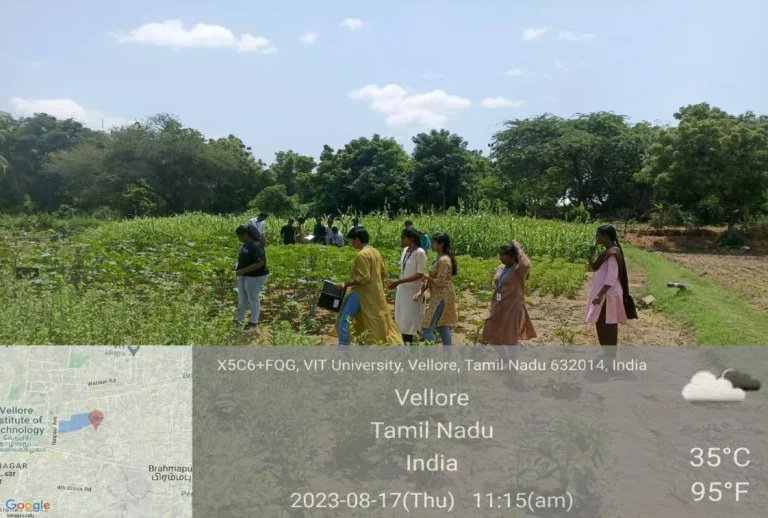
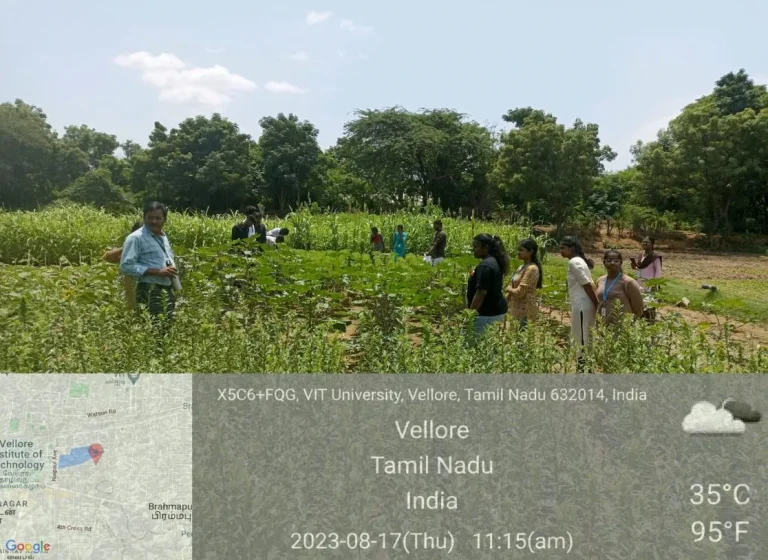
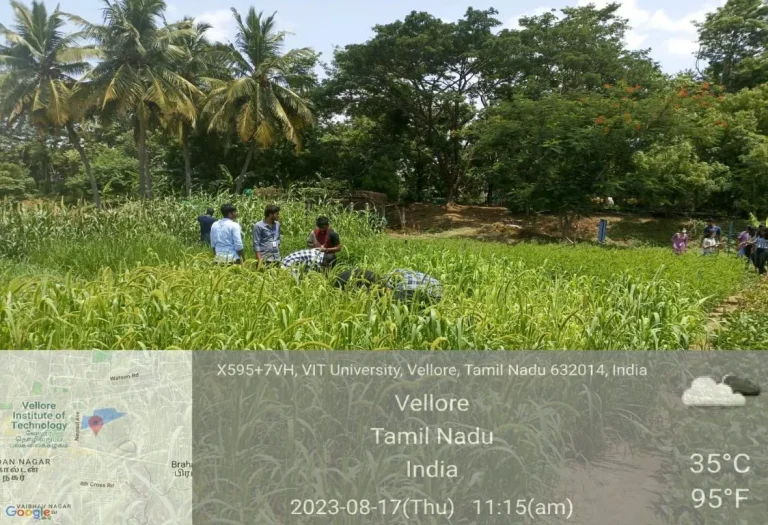
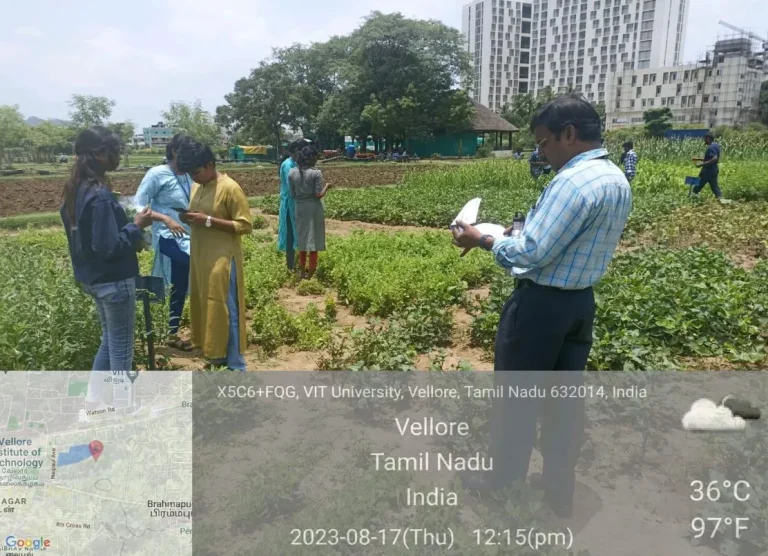
BAG2007 Diseases of Field and Horticultural Crops and their Management – I, Practical class, Date: 17.08.2023, CBMR farm crop cafeteria, 11 AM to 1.00 PM
(Course Teachers: Dr. S. Babu, Dr. Utpal Das)
First half hour:
Competition was announced. Students were made into groups and asked to visit the crop plots and try to identify the diseases themselves. They presented the crop wise list of diseases with photographs taken. This was evaluated and scored.
Second half hour:
Students were explained about the crop-wise diseases available in the crop cafeteria, symptoms, pathogen name, vector name, how to identify confirm and differentiate from nutrient deficiency etc.
Third half hour:
Students were given polythene bags and asked to visit the crop plots again, and specifically reach out to the diseases based on taught symptoms and collect the same.
Fourth half hour:
Student groups were evaluated based on the number of correctly identified and collected disease samples. Results were announced and Top scored group was awarded with a small cash prize.
Diseases learnt by the students (20 crop diseases):
- Maize – Northern corn blight, maize streak virus
- Ragi – Blast
- Sorghum – Sheath blight, leaf blight
- Pearl millet – Bipolaris blight
- Groundnut – Tikka leaf spot
- Horse gram – Yellow mosaic virus
- Green gram – Yellow mosaic virus
- Black gram – Leaf crinkle virus, yellow mosaic virus
- Gingelly – Phyllody, powdery mildew
- Sunflower – Mosaic virus, Alternaria leaf spot
- Cowpea – Yellow mosaic virus, rust, Cercospora leaf spot
- Mesta – Leaf roll virus
- Castor – Mosaic virus


Course: BAG2024, (Production Technology for Fruit and Plantation Crops, Field class)
Place: Sevoor Fruit Orchard, 2:00 PM to 5.00 PM.
Course Teachers: Dr. Utpal Das (17591) and Dr. Madhusmita Dishri (17887)
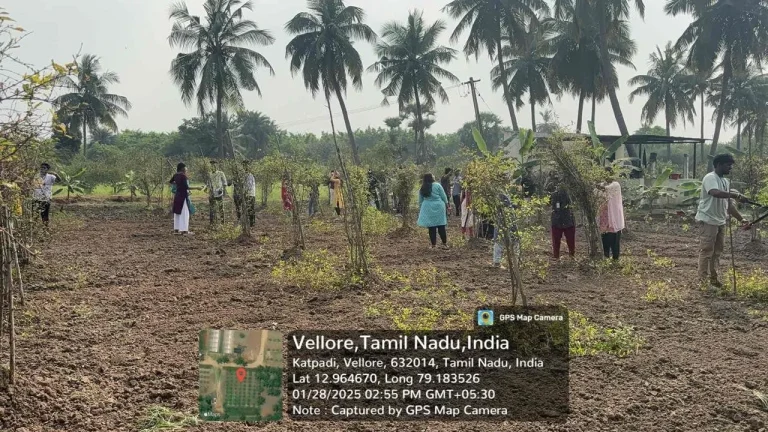
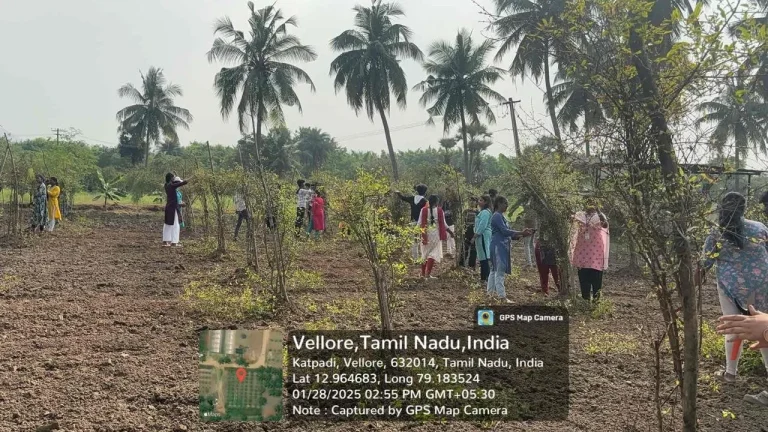
Peer-to-peer special horticultural practices is a collaborative learning approach where students work in pairs or small groups to practice training and pruning, organic manure application and irrigation techniques on each other’s plants.
Implementation:
Date of experiment (28.01.2025)
Task given: A pair of students and a team of 3-4 were made. Each was assigned with single pomegranate plant in the orchard to perform following operations:
a. Training and pruning
b. Organic manure application
c. Irrigation
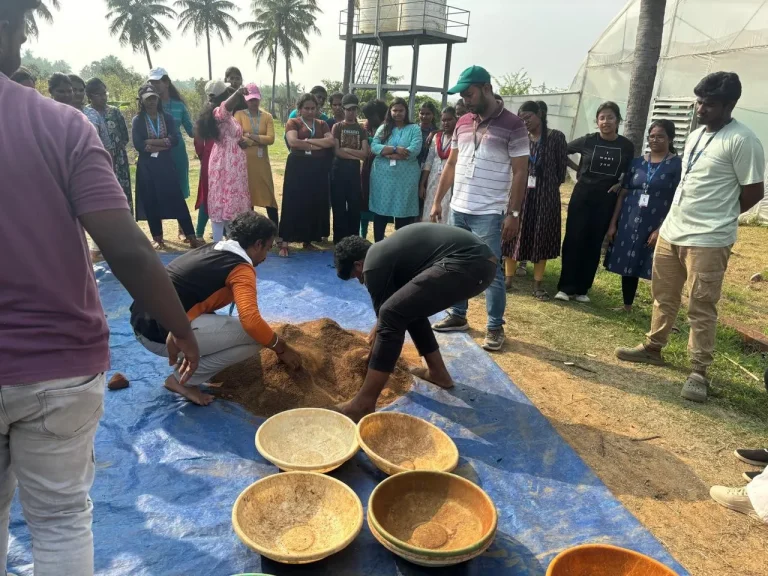
Demonstration: Demonstration of training and pruning operations (like single and multi-stem training system, for removal of water shoots, weak crotches, ground suckers, dried and dead twigs and old spurs), application organic manure like Vermicompost (5 Kg), Neem cake, Pongam cake, Castor cake (1Kg each) and Bone meals (200g) per plant, followed by flood irrigation in the entire field.
Tasks perform: Students carried out the training and pruning in the same day and they were instructed to take the observation in the subsequent weeks of the practical classes.
Date of experiments (4.02.2025)
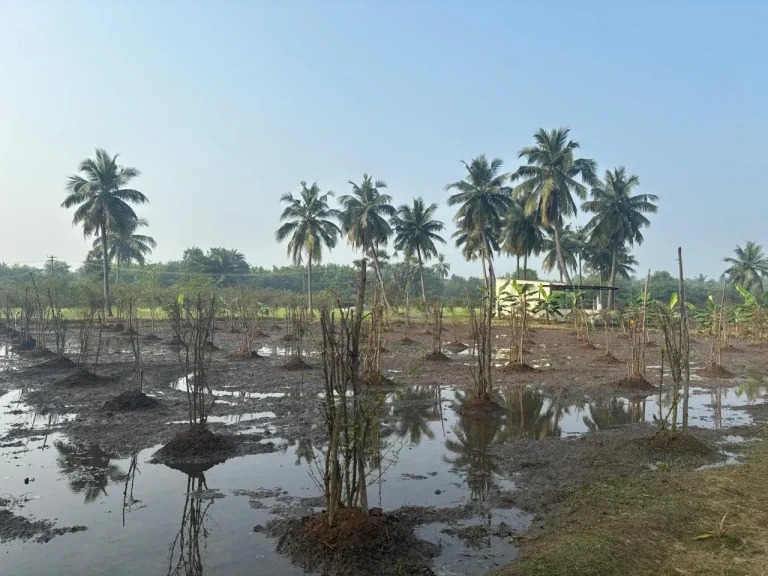
- Students performed their task related to organic manure application followed by irrigation.
- Initiation of new shoots in the second week of training and pruning were observed by each group.


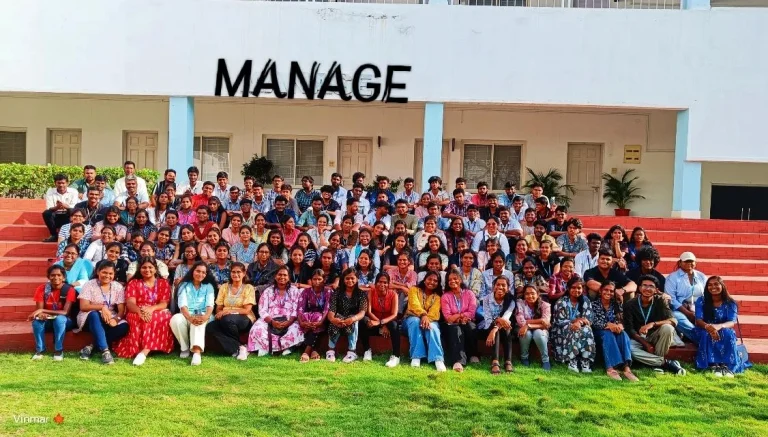
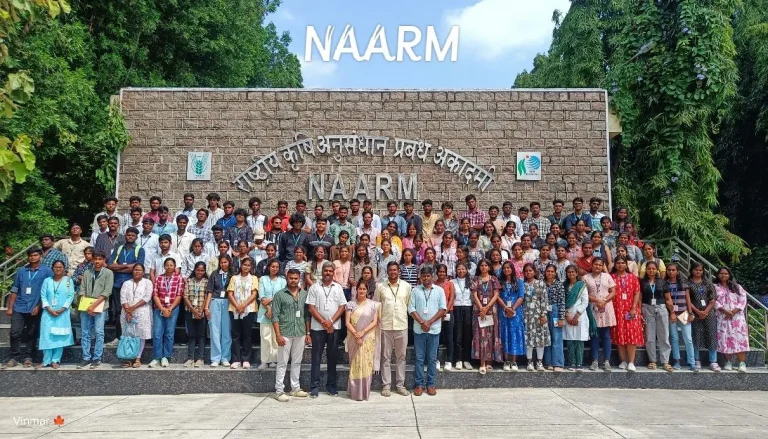
Interaction meeting with PGDM(ABM) students at National Institute of Agricultural Extension Management (MANAGE) and ICAR-National Academy of Agricultural Research Management (NAARM), Hyderabad
Course Teachers: Dr. Mohanraj K and Dr. Anbarasan P
Activity:
As part of an academic initiative to inspire and guide students toward pursuing a Post Graduate Diploma in Management (Agri Business Management), Third year students from VAIAL was taken on an exposure visit to MANAGE and NAARM. The objective of the visit was to familiarize the students with premier institutions offering PGDM (ABM) programs and to facilitate interaction with current students enrolled in these programs.
- VAIAL students gained a clear understanding of the admission procedures and eligibility criteria for PGDM (ABM) programs.
- The interaction sessions helped the students acquire valuable insights into preparation strategies for competitive entrance processes.
- The students became aware of the diverse career opportunities and industry prospects available to Agribusiness Management graduates.


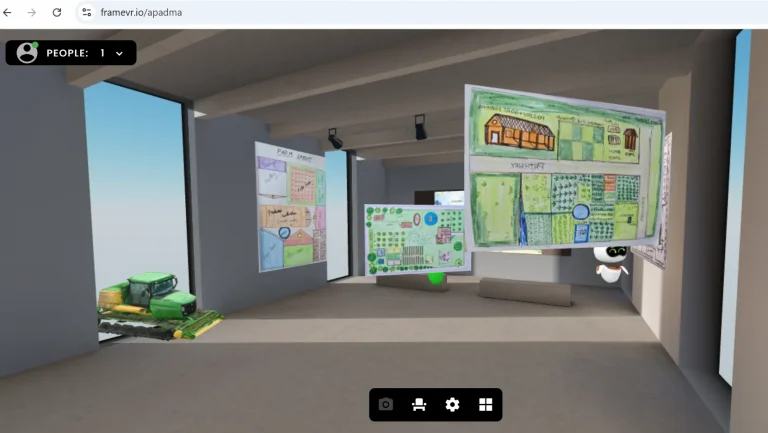
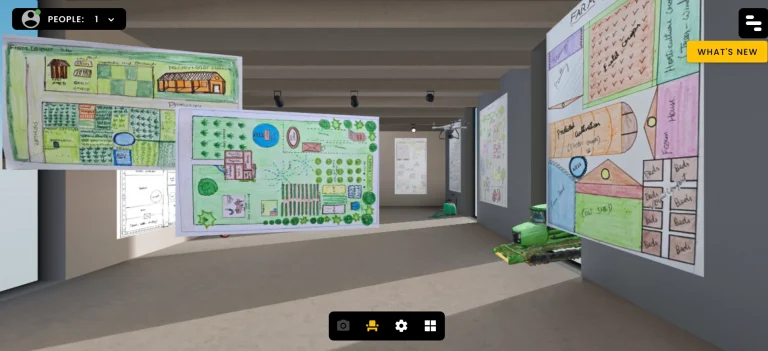
VIRTUAL REALITY (VR) PLATFORM FOR EFFICIENT FARM LAYOUT VISUALIZATION – A GAME- CHANGER IN AGRICULTURAL PLANNING AND MANAGEMENT
Course Teachers: Dr. Padma Lakshmi G & Dr. Merlin Mathew
Task Assigned: Students were asked to prepare a resource efficient farm layout as a part of their lab course.
Objective:
The main idea behind the activity is to plan and design an efficient farm layout in order to optimize the resource use and reduce waste thereby enhancing the productivity of the farm field.
Components: Agricultural crop fields, Orchards, irrigation structures, Livestock, buildings, cattle sheds, storage structures, drying yards, implement sheds, fish ponds and other components based on the location of the farm.
Work done by the students:
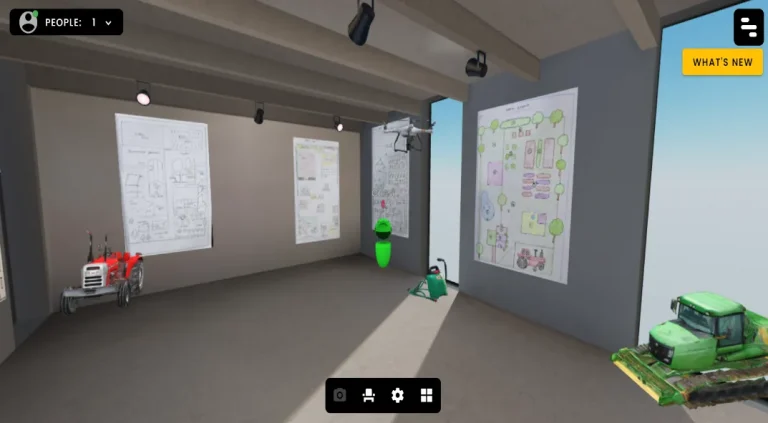
The students have picturized the farm layouts including various components according to their farm requirements and uploaded their farm layout in VR platform- https://framevr.io/apadma. The students were asked to upload and present their layout, add 3D models in VR platform by connecting online.
Outcome:
- The students had an immersive experience, allowing students to visualize their farm layout and discuss their ideas and thoughts.
- The students can able to accurately plan and design the farm layout to improve the efficiency while installing the components in the farm field.
- The students can able to visualize different scenarios presented by other students. This can make more informed decisions about the farm layout, taking into account the factors like soil and water management, crop and livestock management, etc.,
- The students can create their own models of farm layouts or customize their farm layouts based on the specific needs and conditions.
- The platform enable real – time collaboration between the students and stakeholders for proposing their layout in 3D modelling for possible collaboration and consultancy in the field of landscaping and architecture.
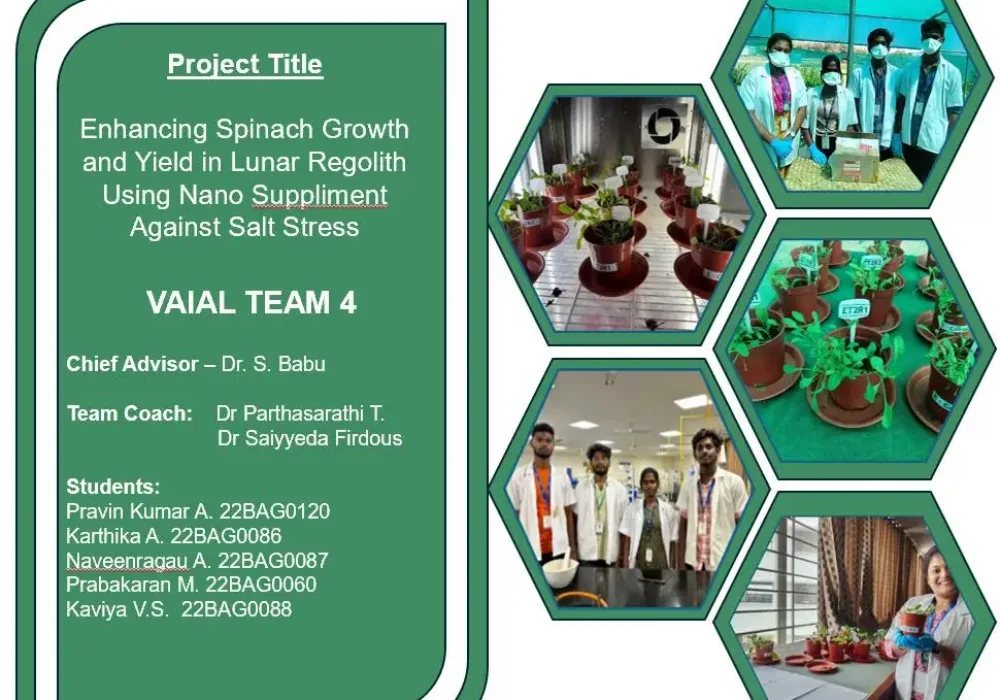
Course Teachers: Dr. T. Parthasarathi & Dr. Saiyyeda Firdous
Chief Advisor: Dr. S. Babu
Objective:
To develop problem-solving, research, teamwork, and scientific communication skills through participation in global competitions.
Components:
- Greenhouse, Growth chamber, Lunar Soil, Spinach crop, nano-fertilizers, and other components in the greenhouse.
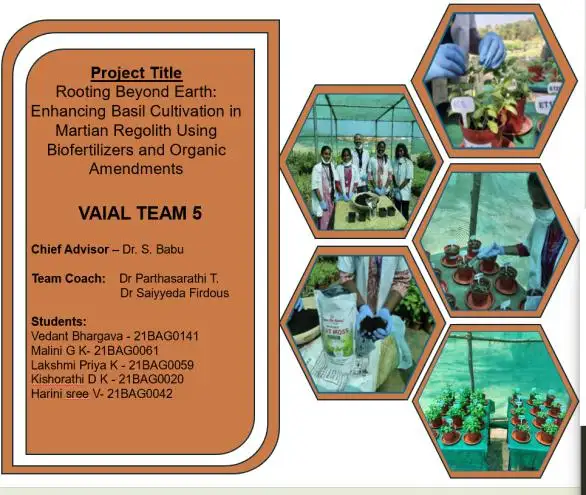
- To promote experiential learning, we encouraged our third and final year students to participate in the Plant the Moon and Plant the Mars challenges. Five students were selected on a first-come, first-served basis and registered for the competition. Financial and project-related support was fully provided by our institution
- Faculty members guided the students throughout every stage of the project—from experimentation to report writing. We are proud to share that both teams won awards in their respective challenges
- This initiative has not only showcased our students’ potential but also serves as a source of inspiration for their peers, motivating them to build confidence and pursue innovative career paths.
- Both student teams won awards in their respective categories in the international challenges
- Students gained hands-on experience in scientific inquiry, experimental design, and technical writing.
- The initiative boosted student confidence, encouraged peer learning, and fostered interest in interdisciplinary career pathways.


Course Teachers: Dr. Saiyyeda Firdous
Objective:
To explore the effectiveness of biochar and carbon nanotubes in the phytoremediation of chromium-contaminated soil.
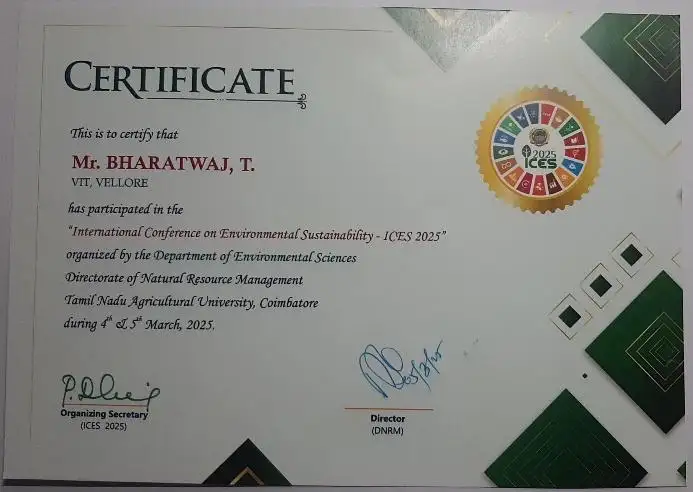
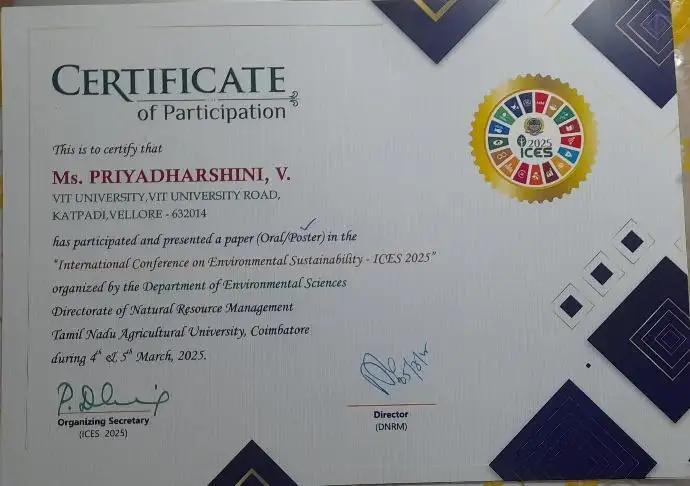
Third-year students Priyadharshini V (22BAG0021) and Bharatwaj T (22BAG0131) expressed keen interest in undertaking a project aligned with their coursework. They conducted an experiment titled “Application of Biochar and Carbon Nanotubes in the Phytoremediation of Chromium-Contaminated Soil.“
Outcome:
- Third-year students Priyadharshini V (22BAG0021) and Bharatwaj T (22BAG0131) successfully conducted an original experiment on an emerging environmental remediation topic.
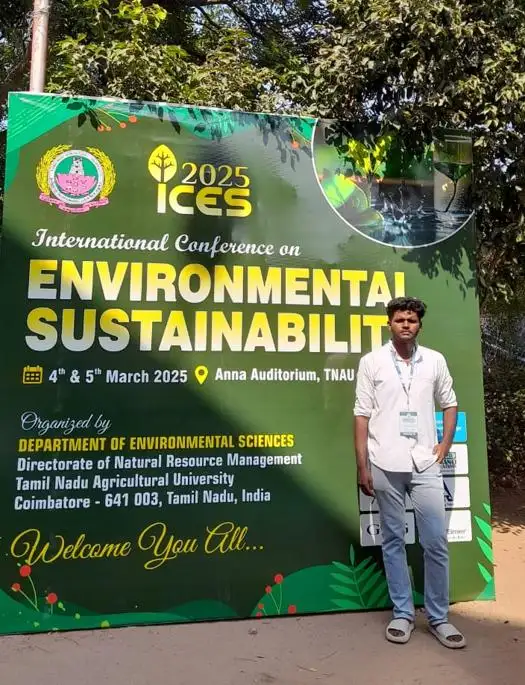
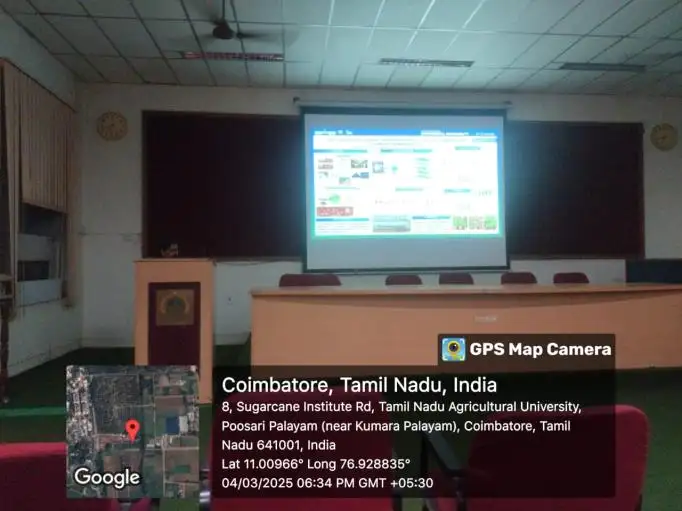
- Their project was accepted for oral presentation at a professional conference, and Priyadharshini V presented the paper, gaining valuable exposure.
- This initiative demonstrated the potential of integrating research with coursework and is expected to motivate peers to take up similar academic challenges, enriching their learning and improving future career prospects.


Course Teachers: Dr. Saiyyeda Firdous
Objective:
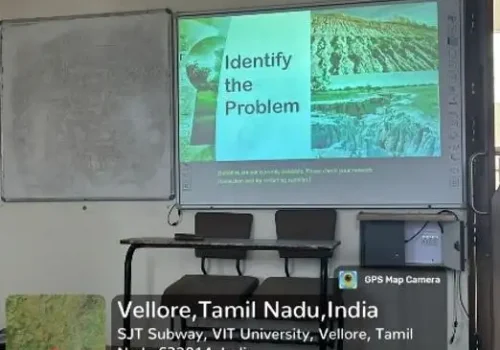
To promote critical thinking and analytical skills by integrating real-world problems into the learning process.
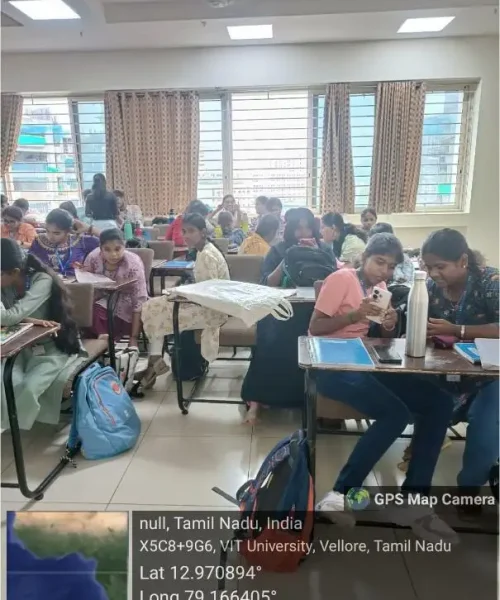
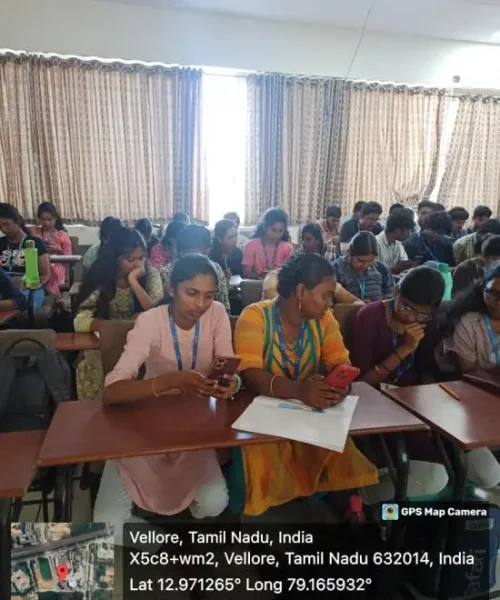
Students were engaged through problem-based questions and real-life case studies relevant to the subject. They were encouraged to use their mobile devices and collaborate with peers to find solutions
Outcome:
- Students actively participated in problem-solving discussions, gaining confidence in applying concepts to real-life agricultural and environmental challenges.
- The use of mobile devices encouraged technology-assisted learning and instant information access, enriching the classroom experience.
- Collaborative learning improved teamwork, communication skills, and a deeper understanding of subject content
- The activity fostered a mindset of solution-oriented learning, preparing students for professional problem-solving scenarios


Course Teachers: Dr. Saiyyeda Firdous
Objective:
- To develop essential communication, presentation, and leadership skills.
- To foster an active and collaborative learning environment where students learn from one another.
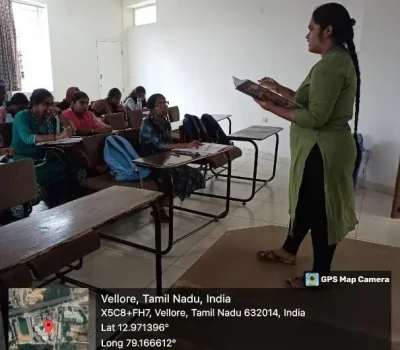
Students were given the opportunity to explain key concepts based on their learning and take on the role of teaching their peers.
Outcome:
- Students demonstrated enhanced conceptual clarity by explaining topics in their own words.
- Peer teaching improved their confidence, public speaking abilities, and ability to simplify complex topics.
- The classroom environment became more interactive, promoting mutual learning and deeper engagement with the subject


Course Teachers: Dr. Saiyyeda Firdous
Objective:
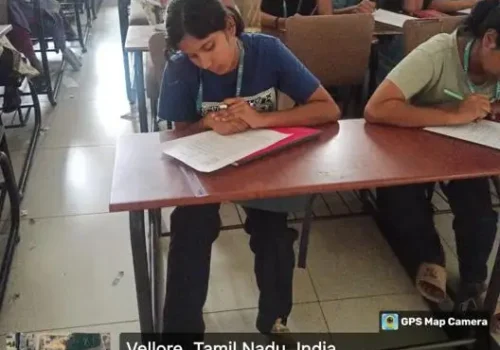
To provide students with diverse and interactive assessment experiences beyond traditional exam formats
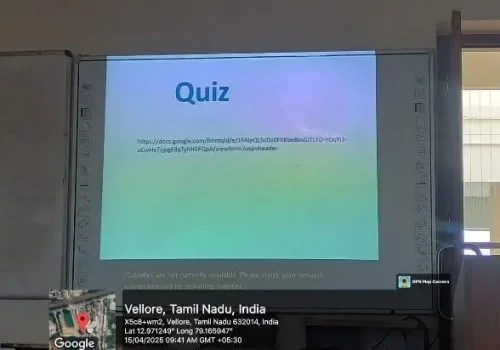
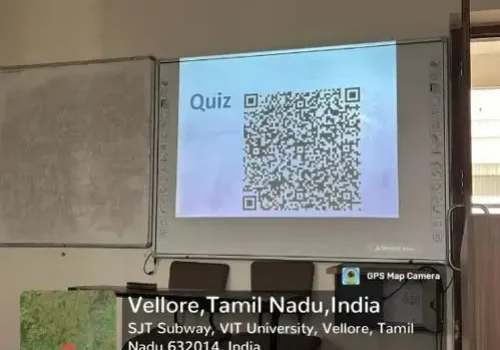
Exams were conducted using multiple modes such as QR code scanning, clickable online links, offline written formats, and interactive sessions like the “burger round” for general questioning.
Outcome:
- Students responded positively to the interactive and varied assessment modes, showing higher participation and interest.
- The approach catered to different learning styles, improving inclusivity and comprehension
- Students gained exposure to modern assessment formats, preparing them for dynamic academic and professional evaluations.


Course Teachers: Dr. Saiyyeda Firdous
Objective:
To replace conventional assignments with project-based learning that promotes hands-on experience
Outcome:
Integrating project development into coursework in place of traditional assignments can offer students a valuable hands-on learning experience, fostering a deeper understanding through ‘learning by doing‘.

Course Teachers:
Dr. T. Parthasarathi & Dr. Saiyyeda Firdous
Task Assigned:
Students were given the extraterrestrial soil (Lunar soil) to grow the plants under controlled
condition as part of the course BAG1006, Protected Cultivation and Secondary Agriculture.
Objective:
The objective of the task behind the activity is to design the experiment in the greenhouse as well
as growth chamber to cultivate the crop with the moon light condition.
Components:
Greenhouse, Growth chamber, Lunar Soil, Spinach crop, nano-fertilizers, and other
components in the greenhouse.
Work done by the students:
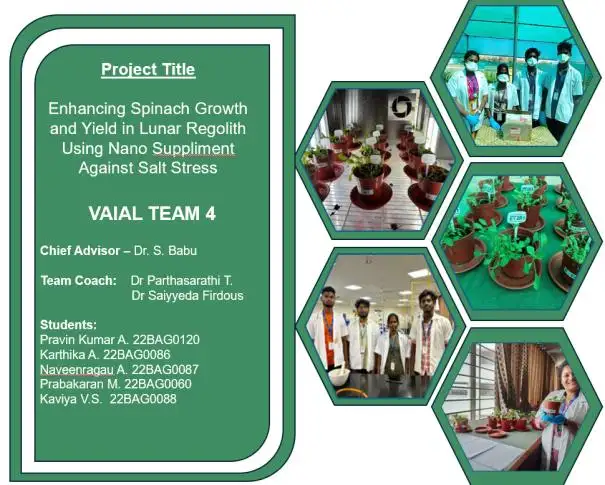
As per the course outline of BAG1006 Protected Cultivation, one student team from 22BAG team
participated this international challenge Plant the Moon challenge organized by Institution of
Competition Sciences, NASA, USA. The team grown the Spinach plants under the extended light
intensity along with the saline or mineral stresses. From the course theory experience, the students
team successfully establish the crop in lunar regolith using nano supplements. Students practically
cultivated the crop under the protected structures. This initiative has not only showcased our
students’ potential but also serves as a source of inspiration for their peers, motivating them to
build confidence and pursue innovative career paths. Students’ team won the challenge.
Platform:
https://plantthemoon.com/awards-spring25/
- The students can apply protected cultivation principles to novel and extreme environments, demonstrating their ability to adapt under simulated moonlight conditions.
- The students designed and executed controlled experiments to assess the viability of crop growth in lunar soil, by effectively integration nutrient and environmental factors.
- Students can develop practical problem-solving skills in overcoming obstacles like saline or mineral stresses in lunar regolith.
- Students can enhance their scientific communication and collaboration skills by participating in an international challenge, and successfully presenting their findings, as evidenced by their team winning the “Plant the Moon Challenge.”

Course Teachers: Dr. T. Parthasarathi
Task Assigned:
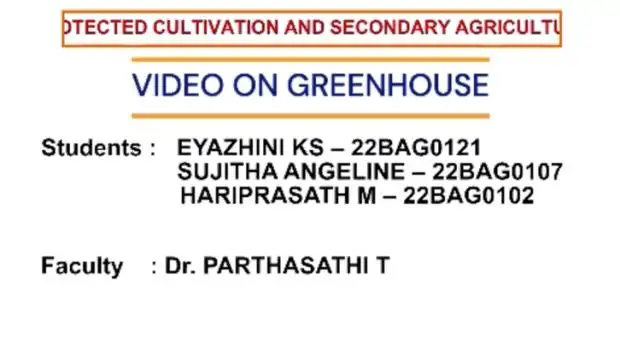
Students were tasked to prepare an AI based video module for protected cultivation course BAG1006, Protected Cultivation and Secondary Agriculture, as a part of their course.
Objective:
The objective of the task behind the activity is to design the greenhouse and its components with proper allocation of space and facility
Components:
Greenhouse structures, greenhouse components, irrigation, ventilation, growing racks, covering materials, crops and other components in the greenhouse
Work done by the students:
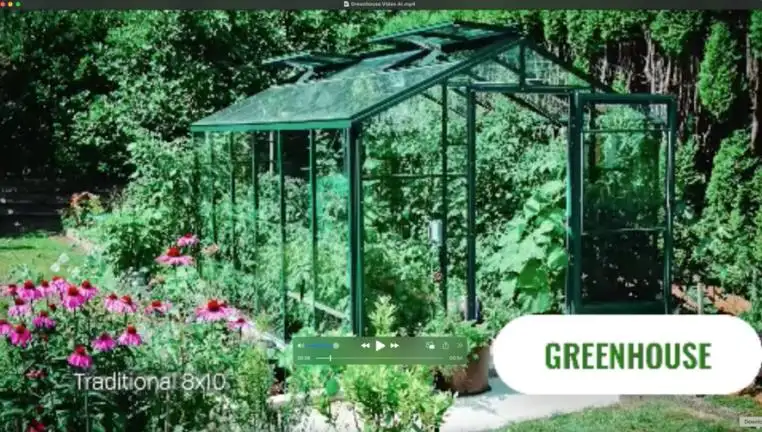
Students were prepared the greenhouse facility with Artificial Intelligence based video modules to visualize the greenhouse components. This innovative approach fosters students to understand better than the conventional approach.
Platform:
https://vimeo.com/1096872654/691253ba2d/ The video of greenhouse was uploaded in Vimeo platform
- The students can demonstrate a comprehensive understanding of greenhouse design by accurately representing the proper allocation of space and integration of various components within their AI-based video module.
- The students had effectively utilized AI tools and video production techniques to create an engaging and informative visual module that clearly explains complex greenhouse concepts, thereby enhancing their digital content creation skills.
- Students critically analyze and select appropriate greenhouse components for specific protected cultivation scenarios.
- Students can develop innovative pedagogical approaches by leveraging AI and video technology to explain and visualize complex agricultural concepts.


Course Teachers: Dr. T. Parthasarathi
Task Assigned:
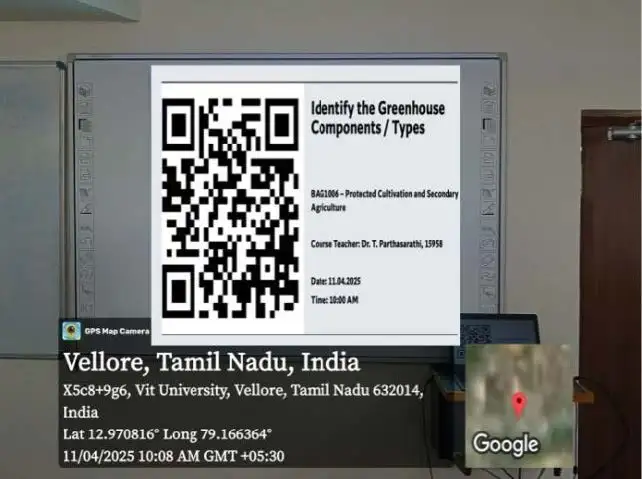
Students were asked to identify and chose the suitable components, types of greenhouse design for protected cultivation course BAG1006, Protected Cultivation and Secondary Agriculture, as a part
of their course.
Objective:
This approach aimed to identify and choose the greenhouse components, structures as well as types.
Components:
Greenhouse structures, greenhouse components, greenhouse types.
Work done by the students:
Students were provided with experiences to identify the varies greenhouse types, structures and greenhouse components as pictures in the QR code scanning, clickable online link for better design and critical thinking on protected structures suitable for crop, location as well as space and resource availability. Students used mobile phone to scan and chose the suitable items to design the greenhouse for the desired crop, location.
- The students can identify and select appropriate greenhouse structures and components by utilizing QR codes and online resources to gather information on various types, materials, and systems.
- Students critically analyze the suitability of different greenhouse designs based on specific crop requirements, geographical location, available space, and resource constraints.
- Students had exposure to develop a conceptual design for a protected cultivation structure that integrates chosen greenhouse types, components, and systems tailored to a given agricultural scenario.


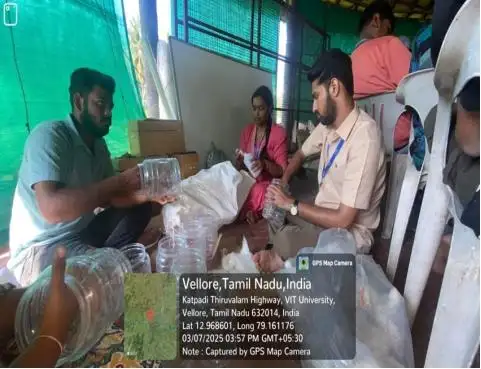
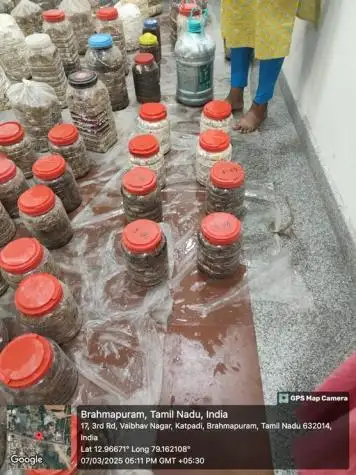
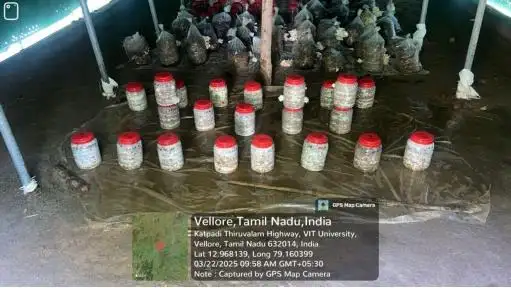
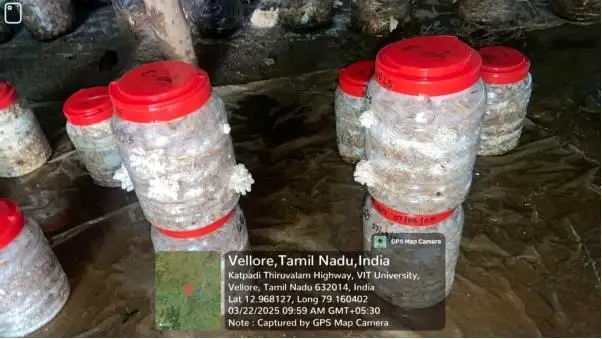
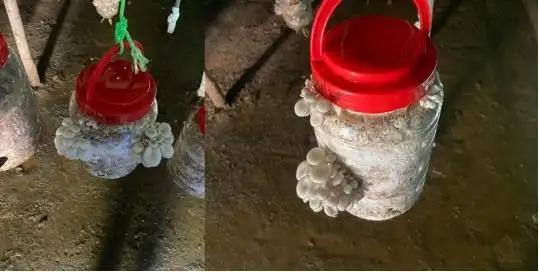
Earning by Learning Module 1 – Mushroom Cultivation Technology
Course Teachers: Dr. Priyadharshini B
Objective:
To promote sustainability and environmental responsibility in mushroom production by
encouraging students to recycle PET bottles as an alternative to conventional polyethylene
grow bags, thereby reducing plastic waste and lowering cultivation costs.
Activity Highlights (7/3/25)


Course Code: HUMAG101
METHOD: Application of theory through various assignment activities.
The objective of the course was to train agricultural graduates with sound moral and ethics. Since this course contained only theory ,the following ASSIGNMENTS were given INDIVIDALLY to the students and they practiced the theory concepts. Each student was asked to maintain a separate notebook in which they recorded all the observations.
A. TYPES OF CONVERSATIONS:
Student were asked to observe the conversations they had thoughout the day for two
weeks and categorize them into Co-operative ( Discussion, Discourse) and Competitive
(Diatribe , Debate) types of conversations. They recorded their observations everyday for
two weeks.
OUTCOME: Through self -analysis, they came to know the ill effects of diatribe kind of
conversations and were able to correct themselves.
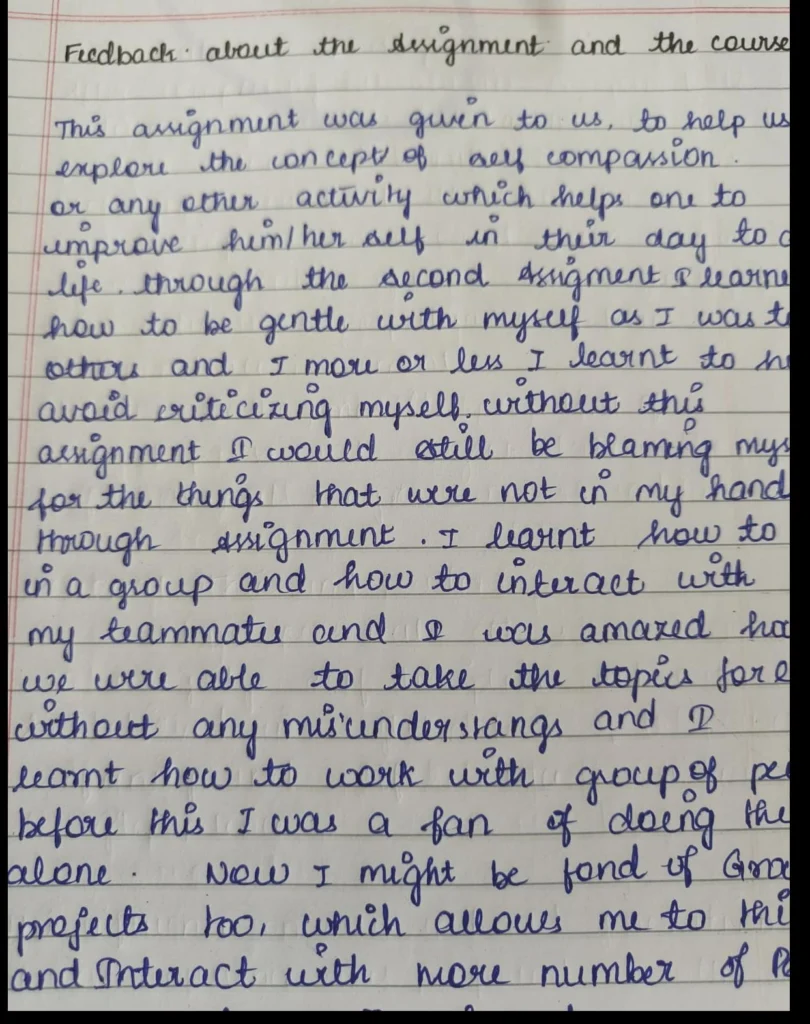
B. PRACTISE OF SELF COMPASSION:
Students were taught in class about the 4 count breadth technique to relieve stress and
anxiety and maintaining gratitude journal for a month. Besides questionnaires were
circulated to increase their SELF-AWARENESS.
OUTCOME: Students were able to appreciate the daily happenings in their life and it
helped them to have a grateful positive mindset.
C. SWOT ANALYSIS OF ONESELF:
Students were asked to document their strength, weakness, opportunities and threats
in their life. They were asked to get feedback from their loved ones and compare their
own assessment.
OUTCOME: Students were able to identify their positive traits and negative traits. They
were able to work on improving their undesirable traits. Out of class hours discussion
was encouraged to help the students to correctly identify their traits.
D. VISION,MISSION, GOAL:
Students were taught to create a mental VISION board through VISIUALISATION
technique. They were helped with setting clear goals .
OUTCOME: A prepared mind is SUCCESSFUL in LIFE. This activity helps the student to
focus on activities which help them achieve their goal.
E. PERSONAL INSPIRATIONAL LEADERS:
Students were asked to identify their personal heroes from any walk of life and critically
analyze the traits that they can incorporate into their life.
OUTCOME: Motivation palys an important role in their age to achieve their goals. In this
context, their personal choice helps the individual student to follow the best practices
of their chosen leaders.
SUMMARY:
Through stepwise activities , students were taught about a sert of SOFT SKILLS VITAL to
professional and personal settings.
SAMPLE STUDENT FEEDBACK: