

Facilities

Centre for Disaster Mitigation & Management (CDMM)

Geographical Information System (GIS) and NDT lab

1. GIS lab – GIS and image processing open source software

2. NDT Lab

3. Laser Precipitation Monitor

4. AWS with ultrasonic anemometer

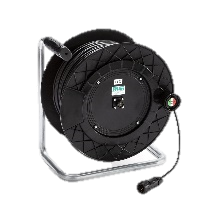
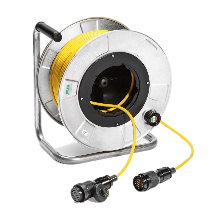
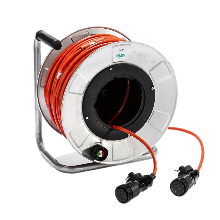
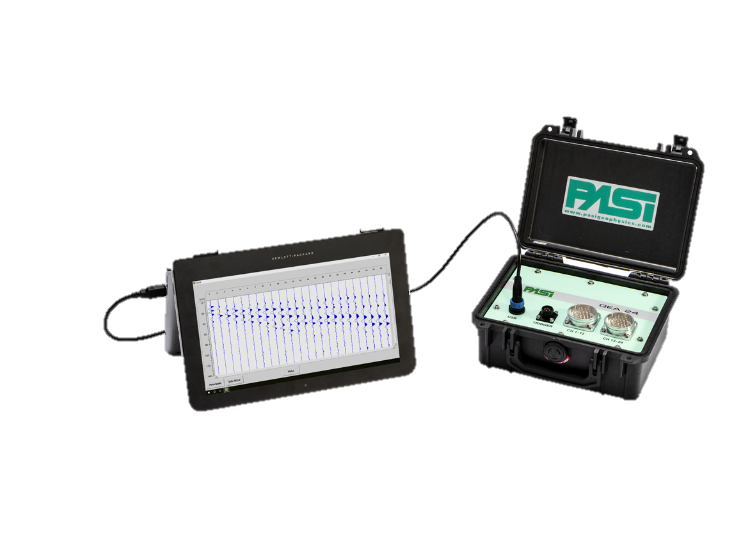
5. Multichannel Analysis of Surface Waves (MASW)

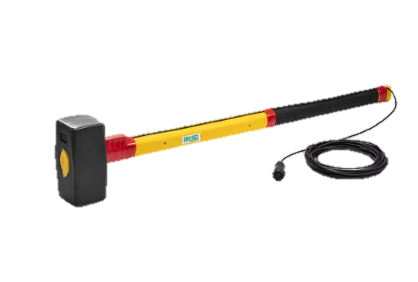
6. Rock rebound hammer

7. Analogue in situ vane shear

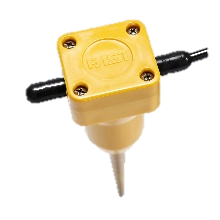
8. Vibrating wire

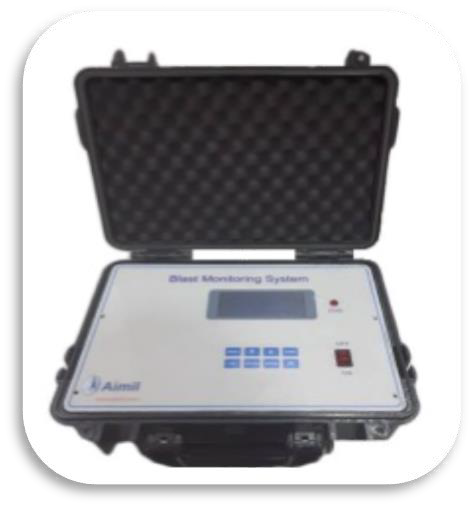
9. Blast monitoring system

10. Digital Rebound Hammer

11. SR05-A1-TMBL-03 with LI 19 UNIT (Pyranometer)

12. Concreate crack monitoring

13. Handheld GPS receivers

14. Aqua Meter

15. Core case and drilling machine

16. Crack monitoring Device

17. DSS-500 Tool Kit, C-104 Hydrolic Pull Machine Test

18. Handheld distance meter

19. DYNA Pull off tester


These facilities give a fillip to R&D and Consultancy Services at the National, regional, local and International levels. It helps the Centre to launch Training Programs for the Trainers, Planners and Administrators in disaster mitigations and management. The infrastructure enables building up capacity in the area of Mapping of Natural Hazard Zonation, Vulnerability Analysis and Risk Assessment for Disaster Management. The GIS laboratory imparts training on diverse aspects of Disaster Management using the GIS & related Technologies.

DISASTER RESEARCH LAB (DRL)

The Disaster Research Lab (DRL) was established in 14th August 2025 in alignment of Sustainable Development Goal (SDG) in creating Sustainable and resilient communities. as a part of Centre for Disaster Mitigation and Management (CDMM), VIT Vellore. DRL has a specialized facility dedicated to advancing the understanding, assessment, and mitigation of natural and man-made hazards through advanced instrumentation, experimental studies, and technology development. The lab integrates structural, geotechnical, environmental, and early warning systems research to provide innovative solutions for disaster resilience. The key facilities like Ultrasonic Pulse Velocity (UPV), Half-Cell Potential Meter (PM8500), Elcometer for crack width measurement, Rebar locator, in-situ vane shear, PM1 particular sampler etc., were available in the lab. The core objective of the lab is to conduct Multidisciplinary Research, Developing/Applying Practical Solutions for disaster Mitigation and Knowledge Dissemination to the communities.

Lab In-charge: Dr. Prasanth S
Email: prasanth.s@vit.ac.in

Ultrasonic Pulse Velocity (UPV)
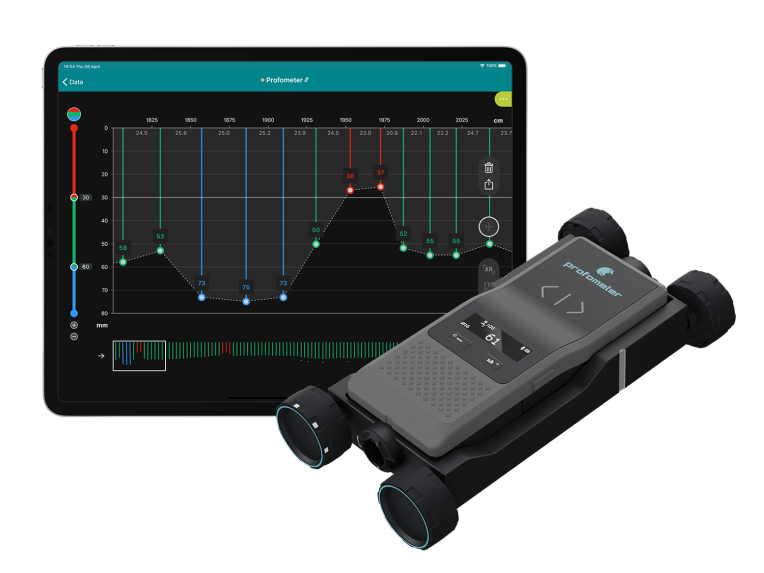
Profometer-Rebar locator PM8000
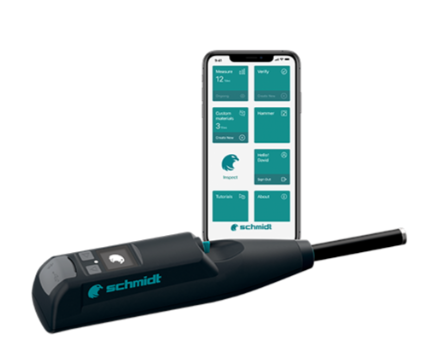
Digital Rebound Hammer for Rock & Concrete
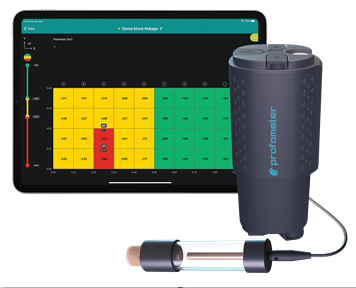
Profometer-Corrosion PM8500
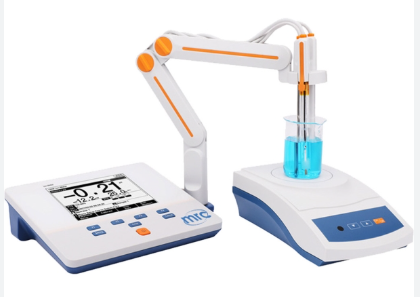
pH meter
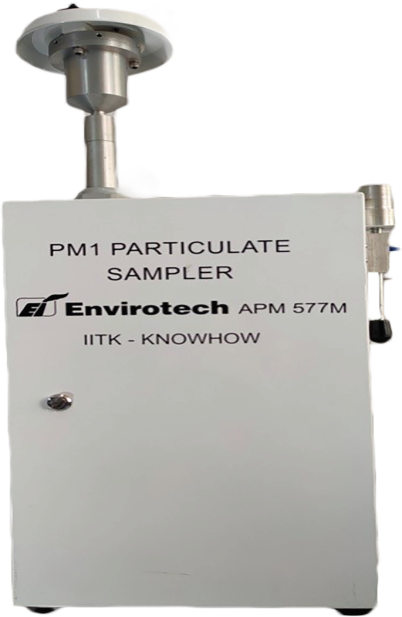
PM1 Particulate Sampler
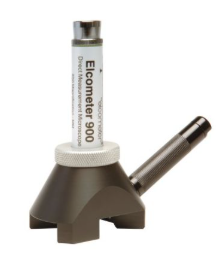
Elcometer
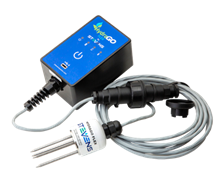
Hydra Probe - Soil Sensor
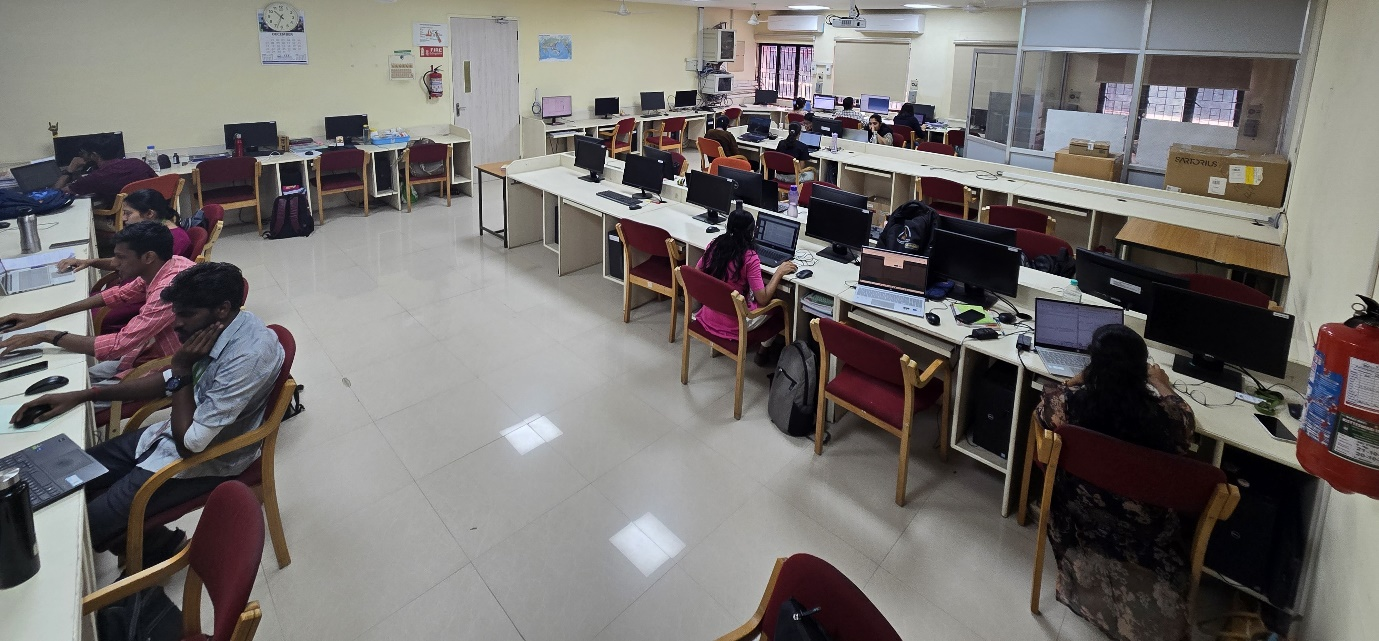
Geographical Information System (GIS) Lab

The GIS Laboratory at VIT Vellore is equipped with modern computer systems running open‑source GIS and image processing software, supporting advanced geospatial research and analysis. Around 25 research scholars actively utilize the lab for projects in mapping, spatial modeling, and remote sensing data interpretation. The facility also hosts a dedicated data storage hub for managing large datasets, including daily meteorological data transmitted from the Automatic Weather Station (AWS) installed at the VAIAL agricultural field. The AWS records parameters such as temperature, rainfall, humidity, wind speed and direction, barometric pressure, surface flux, and soil moisture. In addition, the lab stores data from a laser precipitation monitoring system, which provides high‑resolution information on precipitation type, rate, and drop size distribution, and an ultrasonic anemometer, which delivers precise 3D measurements of wind speed, direction, and turbulence. Together, these resources enable cutting‑edge research in environmental monitoring, disaster management, and climate resilience.

GIS lab – GIS and image processing open source software
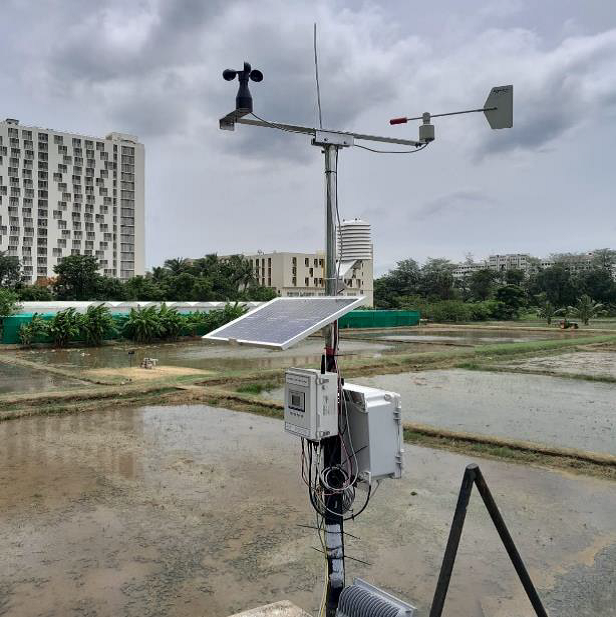
Automatic Weather Station (AWS)
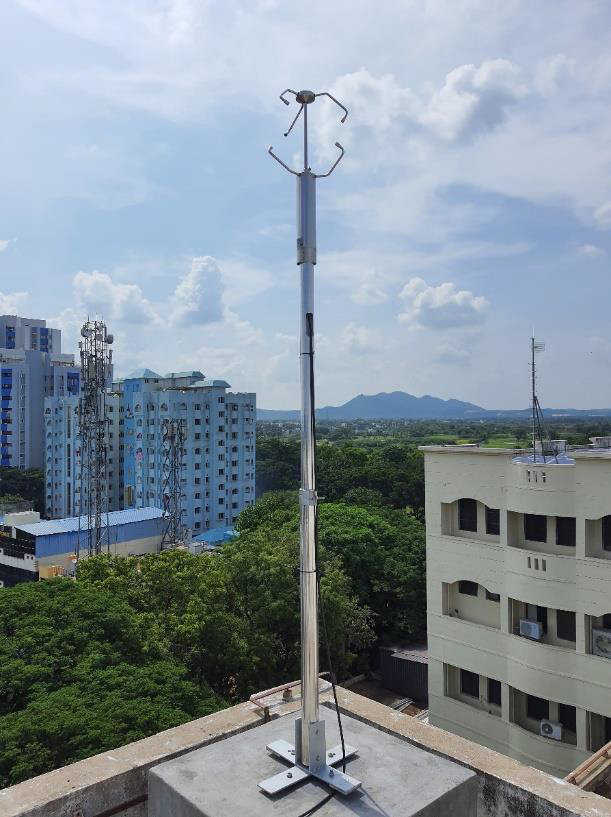
Ultrasonic Anemometer
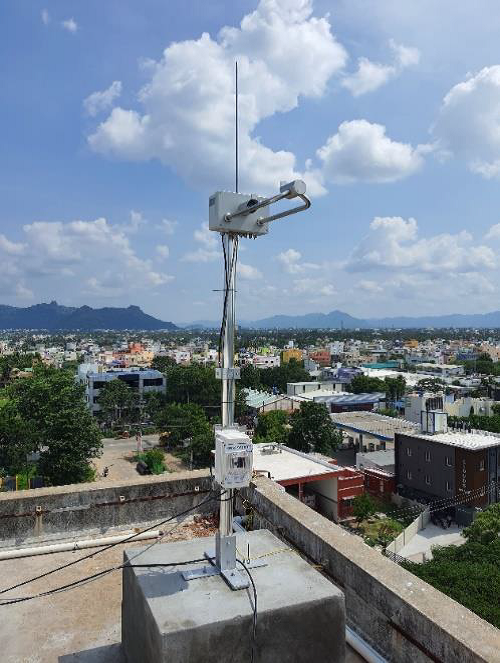
Laser Precipitation Monitoring
MASW Lab

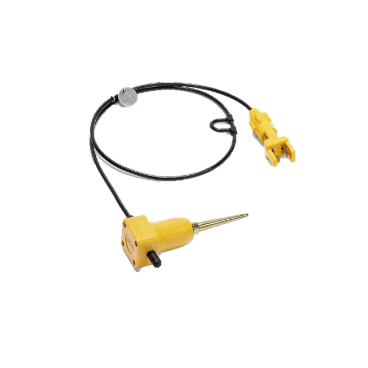
The MASW Laboratory houses two major instruments. The first is MASW (Multichannel Analysis of Surface Waves), a seismic exploration technique first introduced in Geophysics by Park et al. (1999). It evaluates ground stiffness by measuring the shear‑wave velocity (Vs) of the subsurface in 1‑D, 2‑D, and 3‑D, typically within the depth range of 0–30 meters. This method is widely applied in geotechnical engineering projects.

The second instrument is the Blast Monitoring System, a specialized device that measures both ground and air vibrations. Compact, rugged, and portable, it features an easy‑to‑use keypad with user‑friendly operations and a rechargeable battery, enabling continuous monitoring in diverse field conditions.

MASW accessories

Blast Monitoring Device

Beware of VITEEE fake websites

We came to know that some fake websites are misusing our VITEEE name. Kindly be aware of fraud websites. Please visit only https://vit.ac.in for admissions.