


Block Chain Technology Lab (& Web3)
Blockchain Technology Lab (& Web3)
Overview
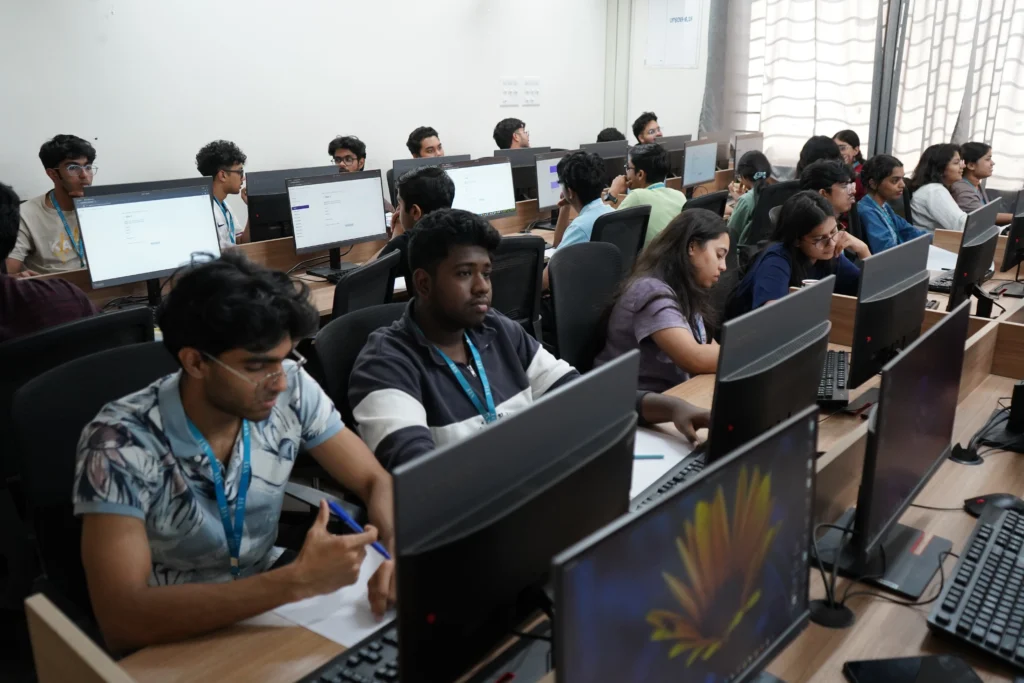
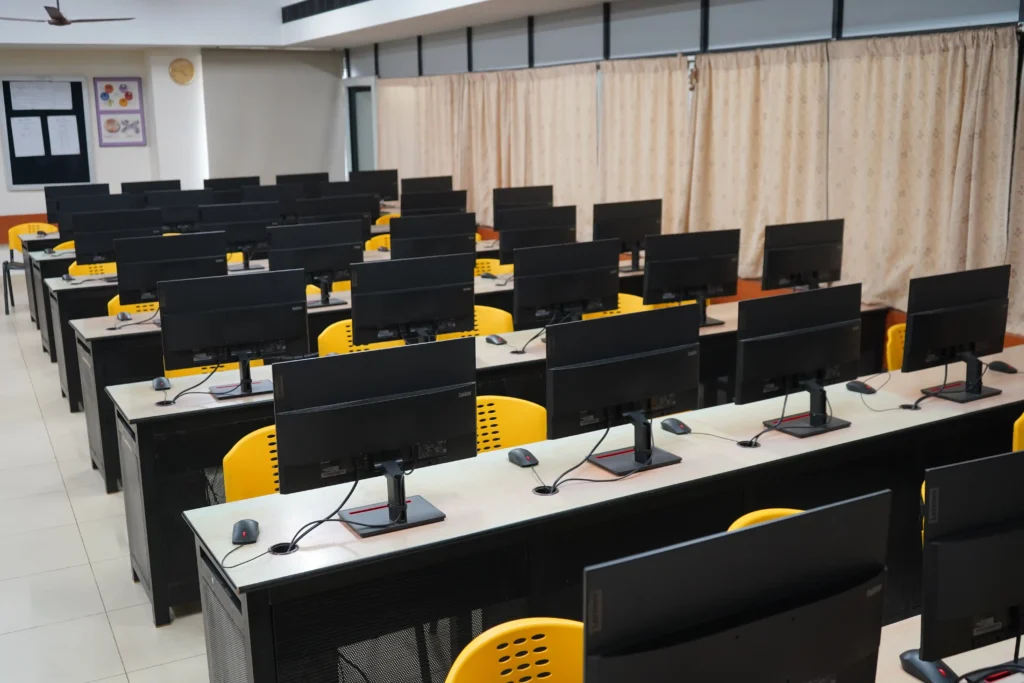
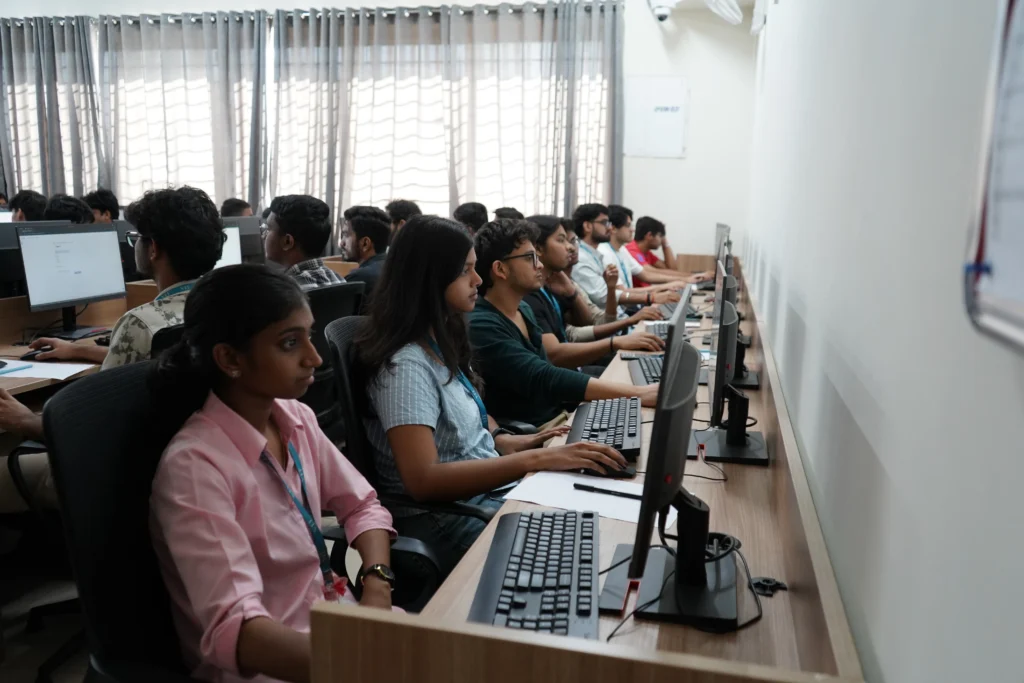
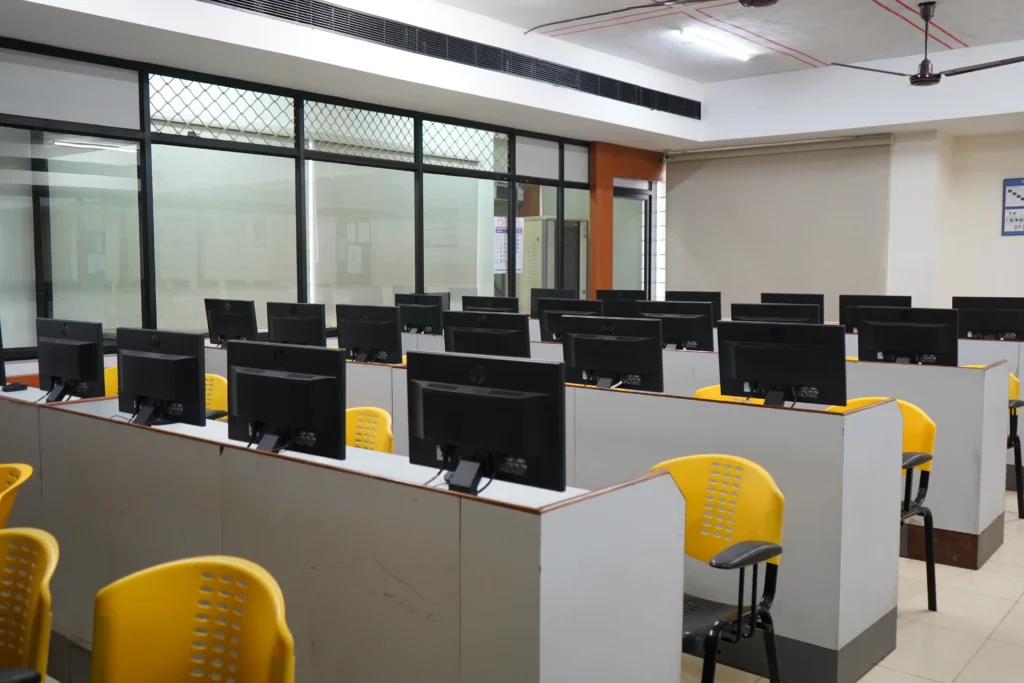
The Blockchain Technology and Web3 Lab at VIT Vellore, established in 2025, is a cutting-edge academic and research facility focused on blockchain, decentralized systems, and modern networking technologies. Combining theoretical foundations with hands-on implementation, the lab enables students and researchers to design, implement, and evaluate blockchain platforms, smart contracts, decentralized applications (DApps), and distributed networking solutions in test networks and simulated environments. Aligned with courses like Blockchain and Distributed Ledger Technology, Smart Contracts, Distributed Systems, and Computer Networks, it bridges core computer science concepts with emerging Web3 paradigms. The lab fosters innovation through project-based learning, undergraduate and postgraduate research, and interdisciplinary exploration across areas such as cybersecurity, cloud computing, and decentralized finance. Promoting collaboration with industry, startups, and research organizations, it supports technology transfer and real-world impact. Through nurturing technical, research, and entrepreneurial skills, the lab empowers students to contribute to secure, transparent, and decentralized digital infrastructures, strengthening India’s blockchain ecosystem.
Objectives
- To reinforce core computer science concepts through hands-on learning in programming, algorithms, operating systems, and software design.
- To bridge classical computing with emerging technologies such as blockchain, decentralized systems, and Web3.
- To promote experiential and project-based learning through practical exercises and real-world application development.
- To support research and innovation in blockchain, distributed systems, and secure computing through experimentation and prototyping.
- To enable interdisciplinary applications by integrating blockchain and Web3 with AI, IoT, cloud computing, and cybersecurity
- To enhance industry readiness and entrepreneurship by developing practical skills and supporting innovation-driven projects.
- To facilitate industry collaboration and technology transfer through partnerships, knowledge exchange, and commercialization efforts
Key Focus Areas
- Blockchain and Distributed Ledger Technologies: Design, implementation, and analysis of blockchain architectures, consensus mechanisms, transaction validation, and distributed ledgers.
- Smart Contracts and Decentralized Application Development: Development, testing, and security analysis of smart contracts and decentralized applications using blockchain platforms.
- Distributed Systems Design and Coordination: Study of distributed architectures, synchronization, fault tolerance, scalability, and consistency models in multi-node systems.
- Data Communication and Computer Networks: Hands-on exploration of networking fundamentals, protocols, routing, congestion control, and reliable data transmission.
- Peer-to-Peer and Decentralized Networking: Investigation of peer discovery, overlay networks, decentralized communication models, and blockchain networking layers.
- Secure Communication and Cryptographic Protocols: Application of encryption, authentication, key exchange, and trust mechanisms for secure networked and blockchain systems.
- Performance, Scalability, and Reliability Evaluation: Experimental analysis of network performance, distributed system efficiency, and blockchain scalability under varying workloads.
Research Publications:
Aguru, Aswani Devi, Amrit Pandey, Suresh Babu Erukala, Ali Kashif Bashir, Yaodong Zhu, Rajesh Kaluri, and Thippa Reddy Gadekallu. “Reliable-RPL: A reliability-aware RPL protocol using trust-based blockchain system for internet of things.” IEEE Transactions on Reliability (2024).
Padma, Adla, and Mangayarkarasi Ramaiah. “Lightweight privacy preservation blockchain framework for healthcare applications using GM-SSO.” Results in Engineering 25 (2025): 103882.
Aberna, P., and L. Agilandeeswari. “PoWBWM: Proof of work consensus cryptographic blockchain-based adaptive watermarking system for tamper detection applications.” Alexandria Engineering Journal 112 (2025): 510-537.
Maheshwari, V., and M. Prasanna. “Privacy-preserving authentication for 5G healthcare with HBZKP: Hierarchical blockchain-based zero knowledge proof for secure edge devices.” Ain Shams Engineering Journal 16, no. 8 (2025): 103463
Munusamy, S., and K. R. Jothi. “Blockchain-IoMT-Enabled Federated Learning: An Intelligent Privacy-Preserving Control Policy for Electronic Health Records.” Array (2025): 100586.