


Data Science Lab
Data Science Lab
Overview
The Data Science Lab is a practical area of getting to know your data that combines tools and techniques used to transform large and complex data into actionable insights, which include AI, ML, and data mining. The lab will give the students practical experience in applying, analyzing, and optimizing algorithms with the help of utilizing the right data structures and programming methods. It allows the effectiveness of algorithms, time and space complexities, and problem-solving tactics to be learned practically, which is vital to both computer science and engineering. It concentrates on the practical issues through research or commercial endeavour, with main emphasis on experimentation, teamwork, and development of scalable solutions to data-driven decision-making, including advanced modelling and data purification.
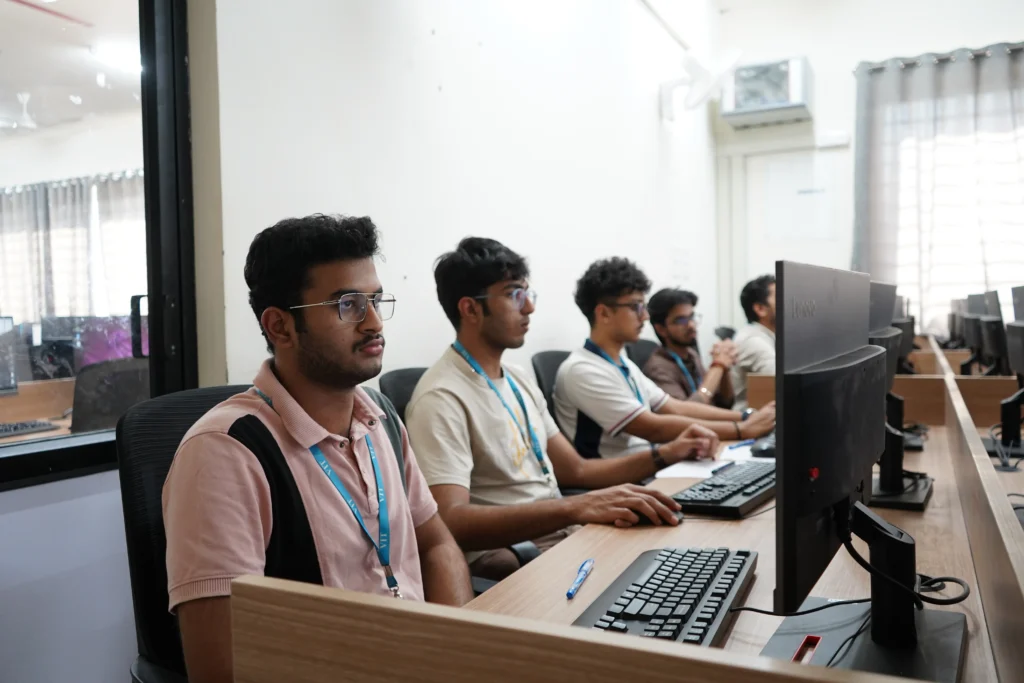
Objectives
- To provide practical exposure aligned with core computer science courses.
- To work diligently to ensure that excellence in AI and ML disciplines is attained. It is being sought after in its range of academic lab programmes in computing to the modern-day standards
- To prepare students for industry roles through hands-on coding and system-level practice.
- To prepare students to solve technical interviews, competitive coding, and work-related problems in software engineering and advanced computing by simulating relevant problem-solving, optimization, and coding challenges.
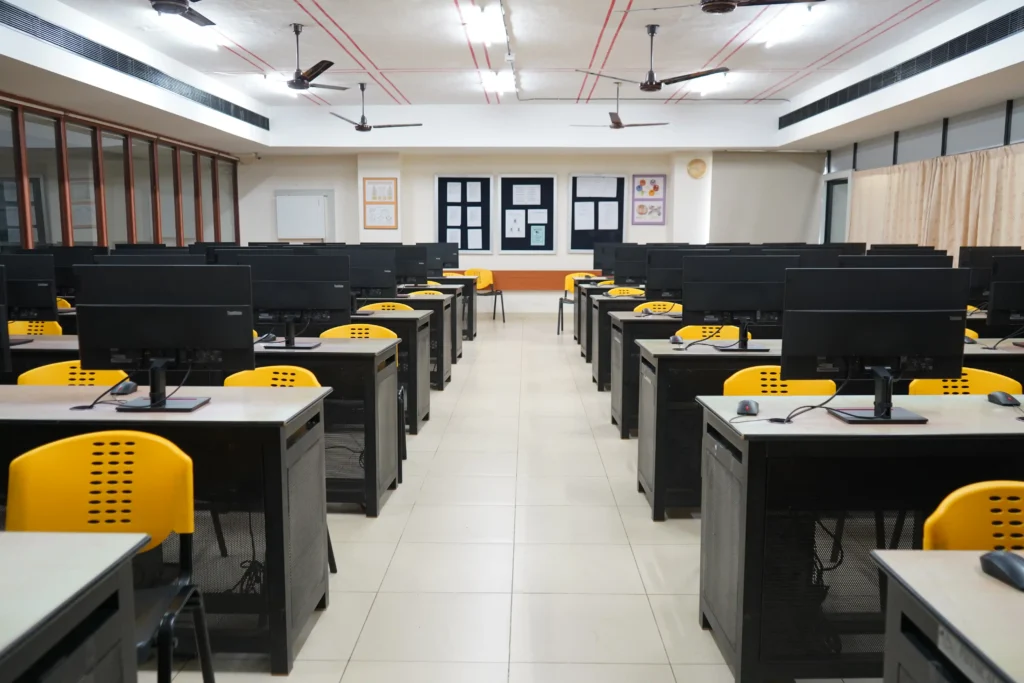
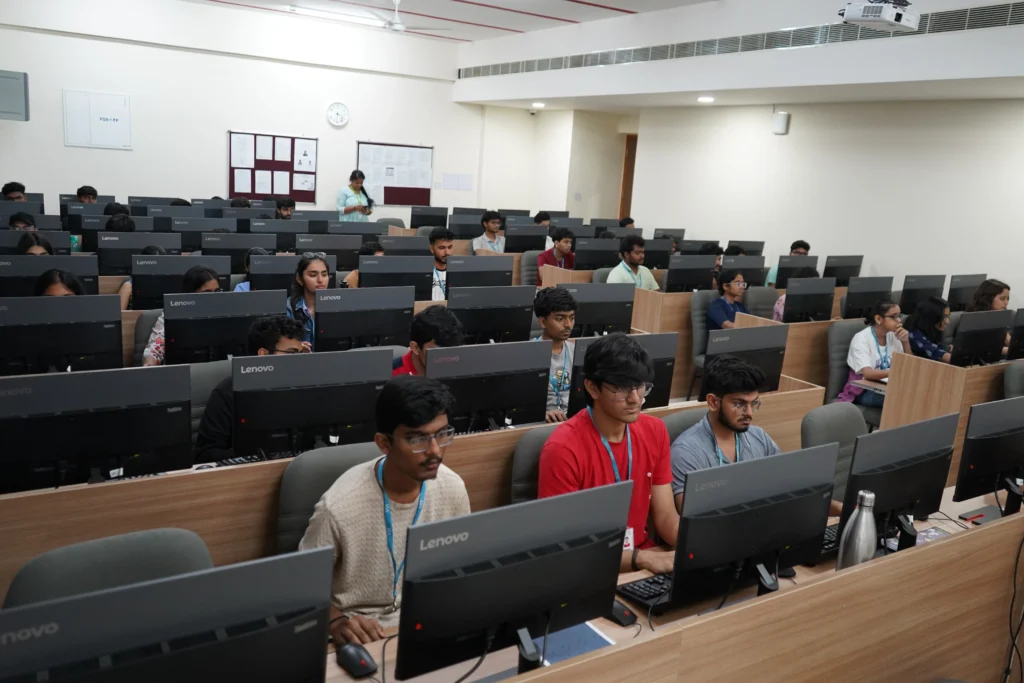
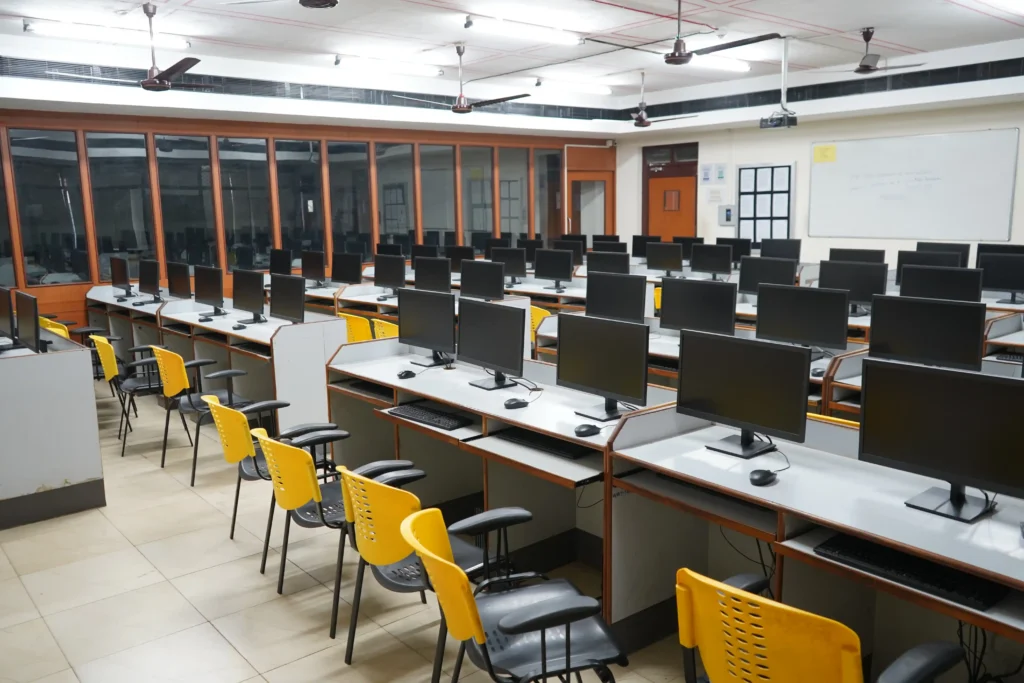
Key Focus Areas
- Algorithm design and implementation using techniques such as divide-and-conquer, greedy methods, and dynamic programming with appropriate data structures.
- Time and space complexity analysis through both asymptotic notations and empirical performance evaluation.
- Algorithm optimisation, benchmarking, and comparative performance analysis to study efficiency and scalability
Recent Research Publications:
- Pasupuleti, M., & Satapathy, S. M. (2025). Unleashing the power of untuned large language models in recommender systems: a thorough investigation of current approaches, challenges, and future research directions: P. Muniraja, SM Satapathy. Knowledge and Information Systems, 67(11), 9661-9737
Sasirekha, B., & Gunavathi, C. (2025). FedXHDP: A Federated XGBoost Framework With Hierarchical Differential Privacy for Horizontally Partitioned Data. IEEE Access.
- Gadekallu, T. R., Maddikunta, P. K. R., Boopathy, P., Deepa, N., Chengoden, R., Victor, N., … & Dev, K. (2024). Xai for industry 5.0-concepts, opportunities, challenges and future directions. IEEE Open Journal of the Communications Society
- Tyagi, B. (2025). Hybrid synthetic minority over-sampling technique (HSMOTE) and ensemble deep dynamic classifier model (EDDCM) for big data analytics. Scientific Reports, 15(1), 1-32
Dutta, D., & Priya, G. (2025). Democratizing Machine Learning: The Rise of Automated Machine Learning (AutoML). Automated Machine Learning and Industrial Applications, 297-318.