


Distributed Systems Lab
Distributed Systems Lab
Overview
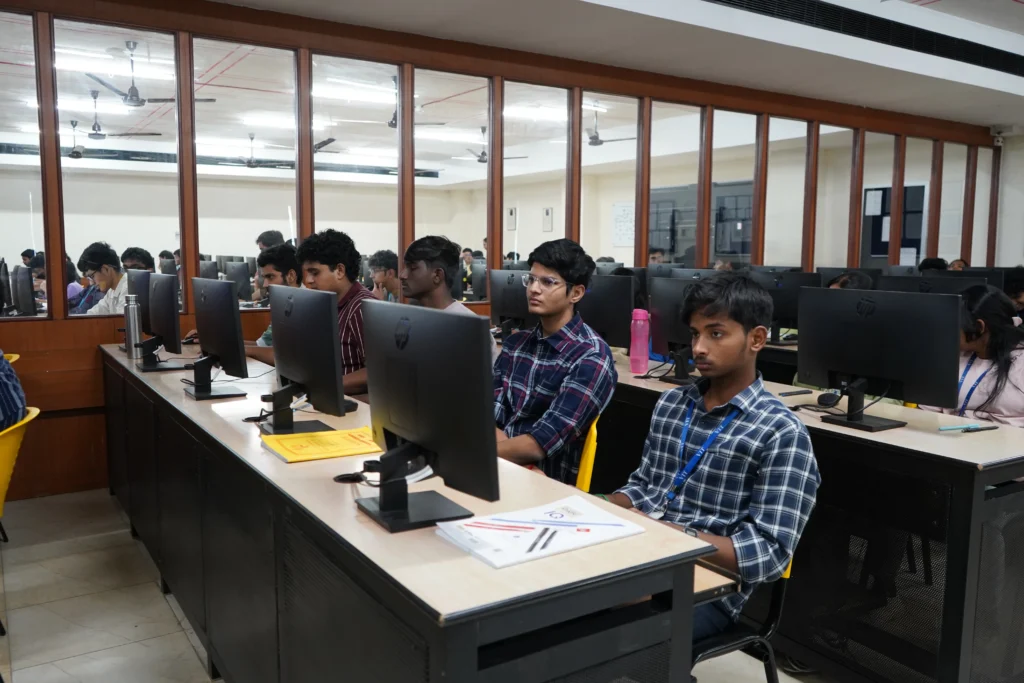
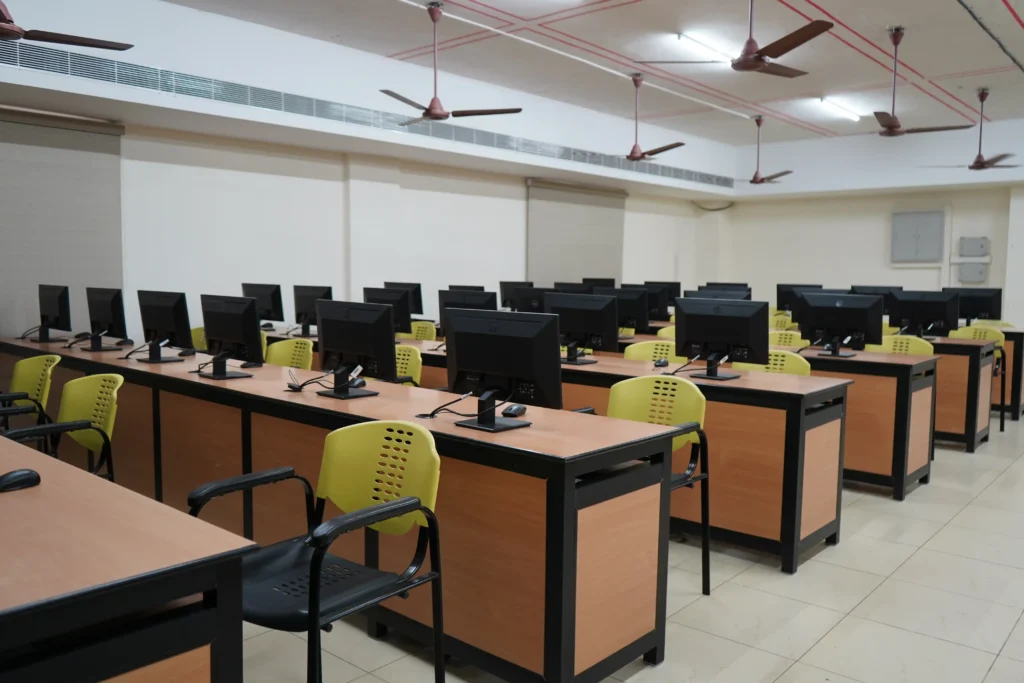
Distributed Systems Laboratory designed to support undergraduate courses related to distributed computing, networked systems, and scalable software architectures. The lab provides students with hands-on exposure to the design, implementation and evaluation of distributed systems. It enables practical understanding of concepts such as client–server models, distributed coordination, fault tolerance and scalability.
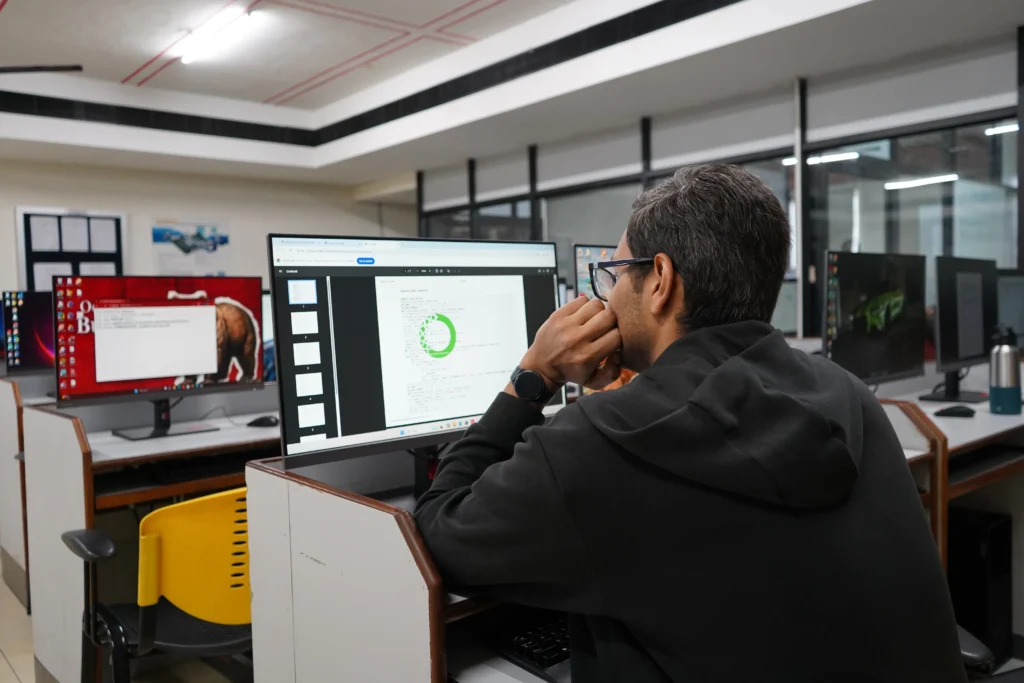
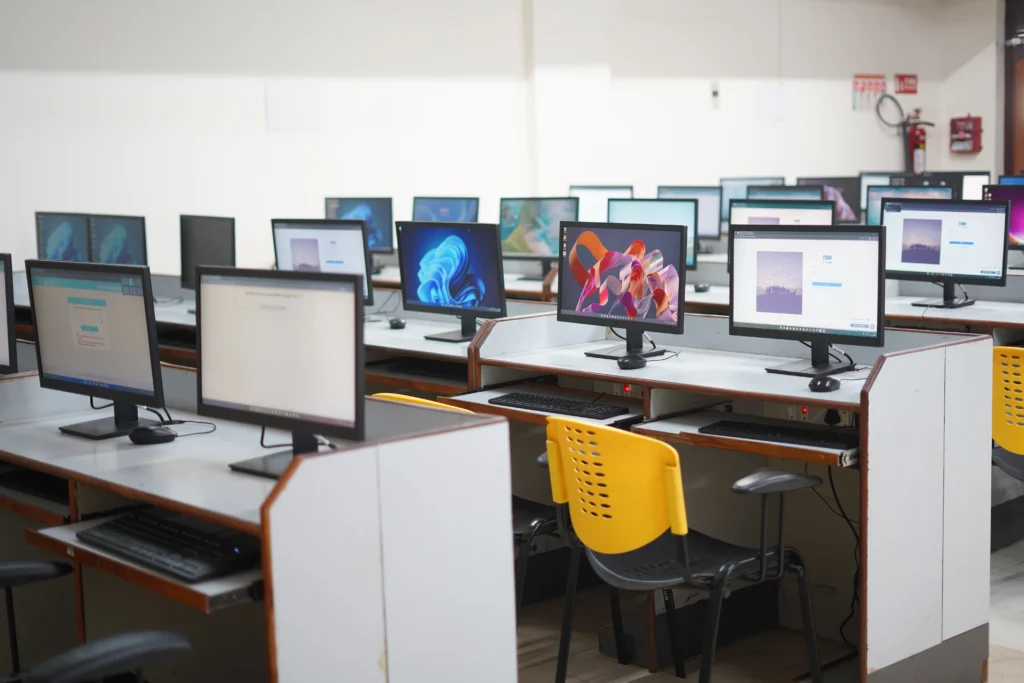
The laboratory supports one-to-one computing access, ensuring effective experiential learning through programming assignments, experiments and system simulations that reinforce theoretical foundations
Objectives
- To provide hands-on learning that reinforces distributed systems concepts through practical implementation, enabling attainment of course and program outcomes.
- To promote exploratory learning and experimentation in distributed algorithms and system performance with a focus on scalability, reliability, and real-world problem analysis.
- To equip students with industry-relevant skills for designing, testing and deploying scalable and fault-tolerant distributed applications.
Key Focus Areas
- Distributed system architectures such as client–server, peer-to-peer and microservices
- Inter-process and inter-node communication in networked environments
- Concurrency, synchronization and coordination mechanisms
- Fault tolerance, reliability and performance optimization in distributed systems
- Design and implementation of distributed applications using modern programming languages and tools
Recent Research Publications:
- Jayakrishna, N., & Prasanth, N. N. (2025). Detection and mitigation of distributed denial of service attacks in vehicular ad hoc network using a spatiotemporal deep learning and reinforcement learning approach. Results in Engineering, 104839