


Human-Computer Interaction Lab
Human-Computer Interaction Lab
Overview
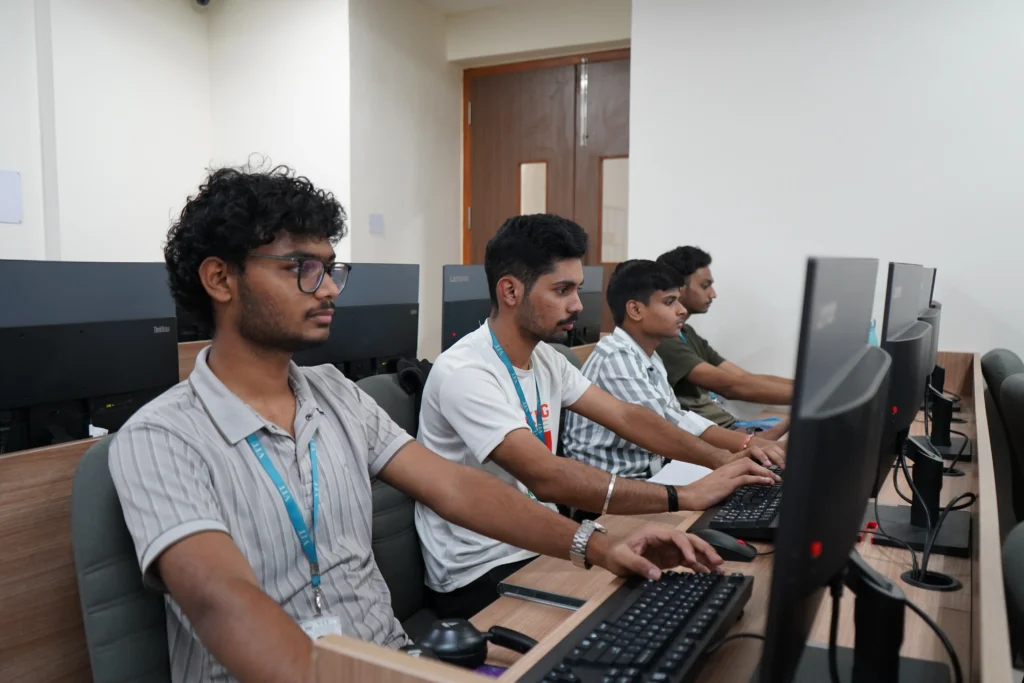
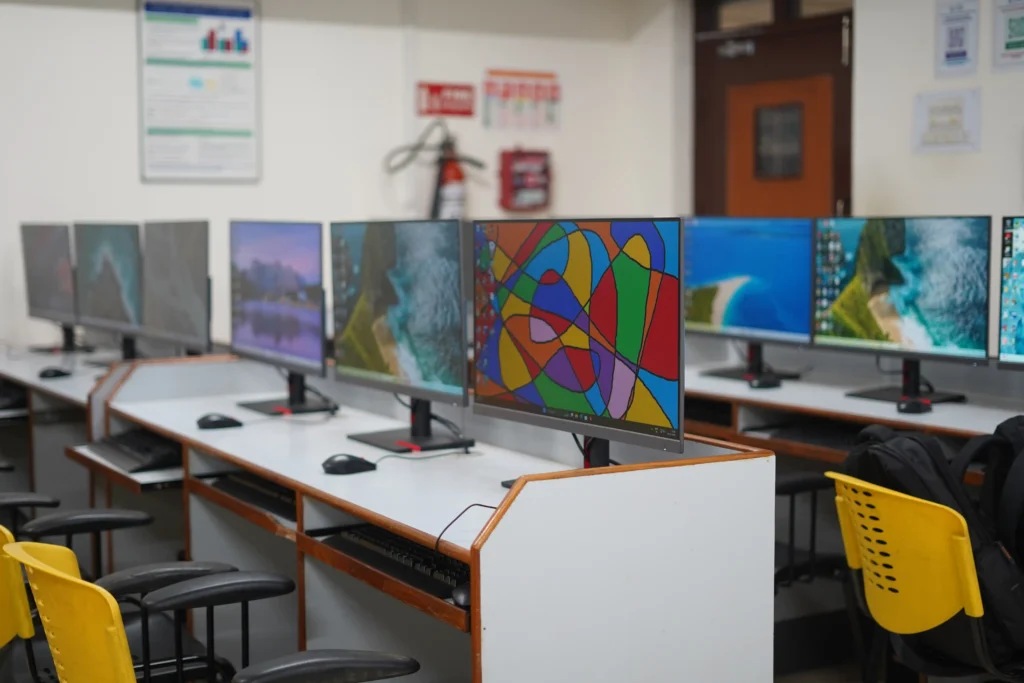
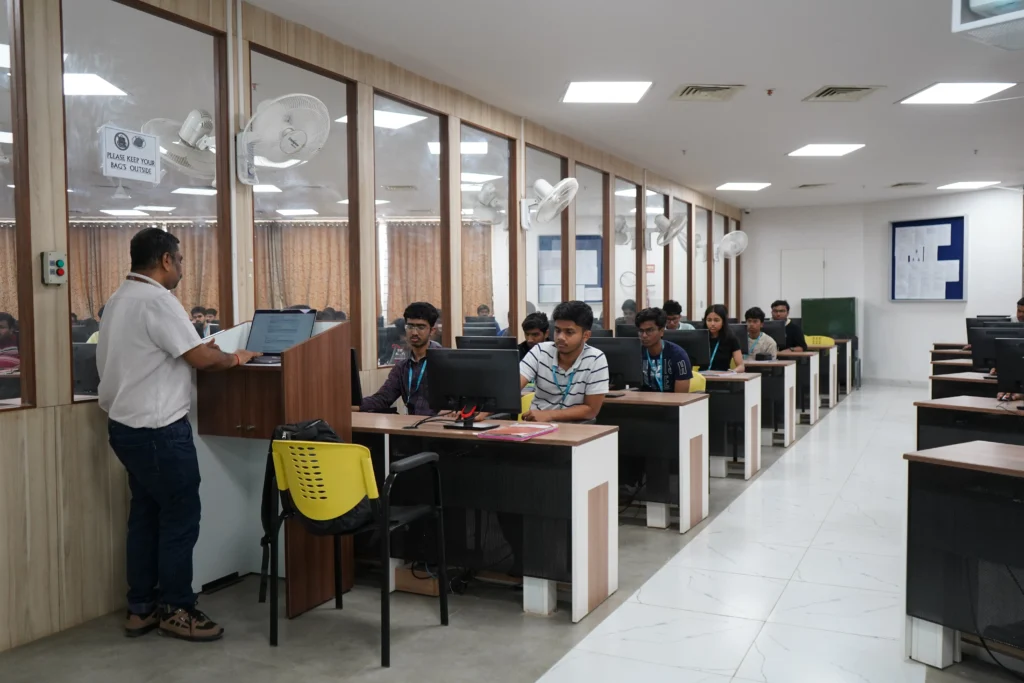
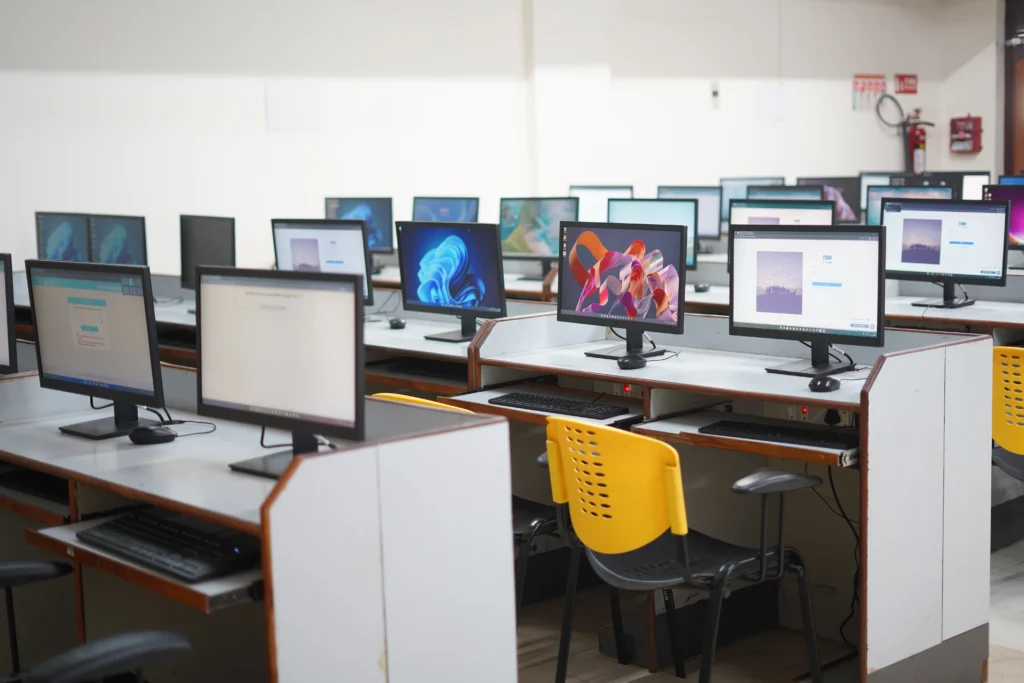
Human–Computer Interaction (HCI) Lab aims to make technology easier, smarter, and more natural for people to use. By combining HCI with Artificial Intelligence, Machine Learning, Deep Learning, Machine Vision, and Robotics, the lab works on building systems that can understand users, learn from them, and respond in meaningful ways. The goal is to create technology that feels helpful, intuitive, and human-friendly
In research, the lab explores new ways for humans and intelligent machines to work together. This includes using deep learning for face and gesture recognition, machine vision for understanding the environment, and intelligent models that adapt to user behavior. The lab also focuses on human–robot interaction, where robots learn to assist, communicate, and collaborate with humans in real-life situations
From an innovation and industry perspective, the lab encourages students to build real-world solutions such as AI-powered user interfaces, assistive technologies, smart applications, and interactive robotic systems. Through projects, workshops, and collaborations, the lab helps students turn ideas into practical solutions that can improve everyday life, industry processes, and future technologies
From a learning point of view, the lab gives students hands-on experience in designing and testing interactive systems. Students learn how to build smart interfaces, personalized applications, and adaptive systems using AI and machine learning. They also understand how people think, behave, and interact with technology, which helps them design better user experiences for everyone.
Objectives
- Provide hands-on experience in user-centered system design using AI and Machine Learning techniques
- To strengthen understanding of usability, interaction design, and intelligent system evaluation
- To conduct research in usability engineering, accessibility, and AI-driven user behavior analysis
- To explore adaptive, intelligent, and personalized interfaces using machine learning models
- To develop industry-ready, AI-enabled UX solutions and prototypes
- To collaborate with industry on AI-based usability, user experience, and interaction studies
Key Focus Areas
- Fundamentals of Human–Computer Interaction with AI-driven interfaces
- Intelligent UX/UI design using machine learning and deep learning techniques
- AI-based usability engineering and automated user experience evaluation
- Accessibility and inclusive design supported by intelligent assistive technologies
- Study of cognitive aspects of interaction using data-driven and AI models
- Design of smart web and mobile applications with adaptive and personalized interfaces
Research Publications
- Yeswarya, S., and K. John Singh. “Enhancing Security and Usability with Context-Aware Multi-Biometric Fusion for Continuous User Authentication.” Scientific Reports (2025). https://doi.org/10.1038/s41598-025-14833-z.
- Ghosh, A., A. K. Tiwari, A. Kumari, S. Alam, M. Das, and K. Karthik. “Interactive Augmented Reality Application Using Animal Flashcards for Education of Children.” Interactive Learning Environments (2025). https://doi.org/10.1080/10494820.2025.2479163
- Meng, Q., Z. Yan, J. Abbas, A. Shankar, and M. Subramanian. “Human–Computer Interaction and Digital Literacy Promote Educational Learning in Pre-School Children: Mediating Role of Psychological Resilience for Kids’ Mental Well-Being and School Readiness.” International Journal of Human-Computer Interaction (2025). https://doi.org/10.1080/10447318.2023.2248432.
- Mohd Salleh, Mohd Azran, Siti Nurul Mahfuzah Mohamad, I. Ahmad, Sazilah Salam, Tito Pinandita, and S. Sivaprakash. “Awareness and Experiences of Using ChatGPT among Educators.” In AIP Conference Proceedings (2025). https://doi.org/10.1063/5.0258640.
- Pavithra, M., and G. Ramya. “Using Gamification to Overcome Innovation Process Challenges: A Literature Review and Future Agenda.” In Digital Twins for Sustainable Healthcare in the Metaverse (2025). https://doi.org/10.4018/979-8-3693-4199-5.ch012.
- Sanal Kumar, T. S., and R. Thandeeswaran. “An Improved Adaptive Personalization Model for Instructional Video-Based E-Learning Environments.” Journal of Computers in Education (2025). https://doi.org/10.1007/s40692-023-00310-x.
- Alzubi, T. M., J. A. Alzubi, A. Singh, O. A. Alzubi, and M. Subramanian. “A Multimodal Human–Computer Interaction for Smart Learning System.” International Journal of Human-Computer Interaction (2025). https://doi.org/10.1080/10447318.2023.2206758.